Strong governance drives our growth

We believe strong corporate governance is vital for delivering sustainable value to shareholders and society. It drives our purpose – to connect everyone – and strategic priorities around customers, simplicity and growth. Our board continuously refines governance best practice, and recent activities have included a deep dive review of functions in Vodafone Germany, which reinforced confidence in its turnaround plan.

Governance

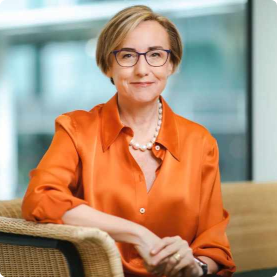
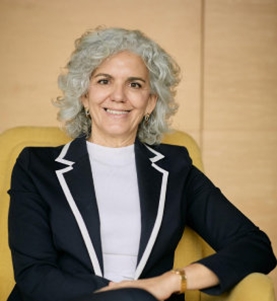
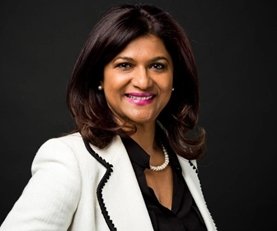
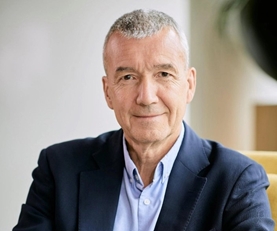
Our board

The Nominations and Governance Committee regularly reviews the Board’s composition to ensure a diverse mix of backgrounds, skills, knowledge and experience as well as deep expertise in technology and telecommunications. Each year, the Board monitors and improves its performance by conducting an annual performance review.
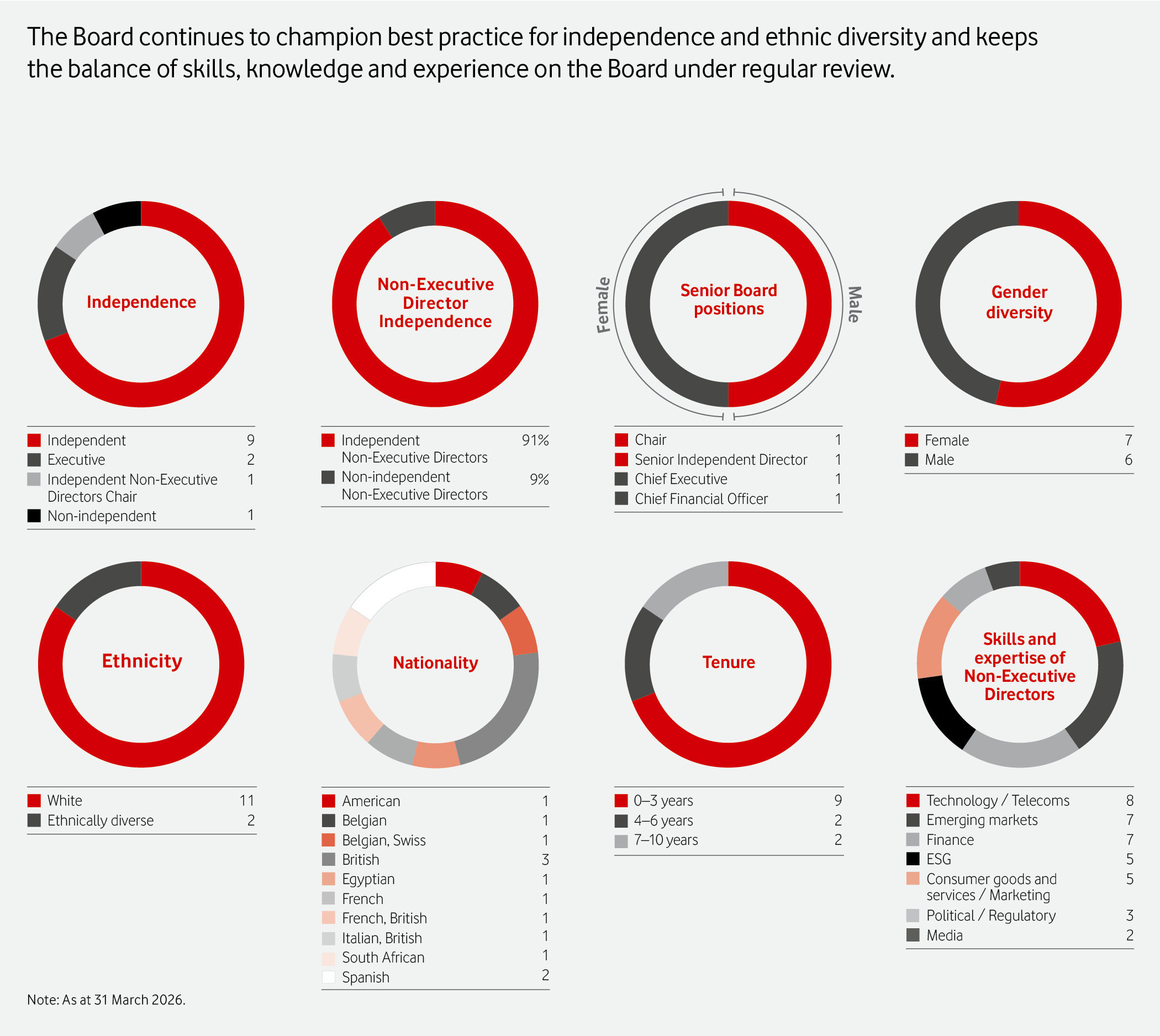
Graph

Board Committee roles

The Board is responsible for the overall conduct of the Group’s business including: our long-term success; setting our mission; monitoring culture and how it has been embedded; monitoring our values, standards and strategic objectives; reviewing our performance; and maintaining positive dialogue with our stakeholders. The Board has established five formal Committees to focus on specific areas. 

Audit and Risk Committee
The Committee reviews the adequacy of the Group’s system of internal control, including the risk management framework and related compliance activities. The Committee also monitors the integrity of financial statements, reviews significant financial reporting judgements, and advises the Board on fair, balanced and understandable reporting and the long-term viability statement. The Committee also has joint responsibility, with the ESG Committee, for reviewing the appropriateness and adequacy of ESG disclosures provided within the Annual Report and the ESG Addendum, including the approval of their content.

Nominations and Governance Committee
The Committee evaluates Board composition and ensures Board diversity and a balance of skills, 
as well as experience in ESG matters. The Committee also reviews Board and Executive Committee succession plans to maintain continuity of skilled resources, and oversees matters relating to corporate governance.

Remuneration Committee
The Committee sets, reviews and recommends the policy on remuneration of the Chair, executives and senior management team. The Committee also monitors the implementation of the Remuneration Policy, and oversees general pay practices across the Group.

ESG Committee
The Committee oversees the ESG programme and monitors the mission agenda in relation to empowering people, protecting our planet and ensuring that Vodafone acts with integrity. The Committee monitors progress against key performance indicators and external ESG index results and oversees progress on ESG commitments and targets. The Committee also has joint responsibility, with the Audit and Risk Committee, for reviewing the appropriateness and adequacy of ESG disclosures provided within the Annual Report and ESG Addendum, including the approval of their content.

Technology Committee
The Committee supports the Board with fulfilling its oversight of the Company, specifically how technology underpins Company strategy, including assessing risks and exploring innovations for future growth. The Committee also monitors technology development, innovation, risks, disruptors and mitigations and reviews technology supply chains, partnerships and external relationships.

Regular engagement ensures we operate in a balanced and responsible way, both in the short and longer term

We are committed to maintaining good communications and building positive relationships with all of our stakeholders, as we see this as essential to strengthening our sustainable business. Vodafone is required to provide information on how the Directors have performed their duty under section 172 of the Companies Act 2006 to promote the success of Vodafone, and these matters are covered throughout this Annual Report and summarised in the table to the right. This includes how those matters and the interests of Vodafone’s key stakeholders have been taken into account by the Directors. We have also summarised our interactions with key stakeholders during the year in this section. The engagement mechanisms directly involving the Directors are indicated below with a B symbol.

We are committed to deepening engagement with our customers to develop long-term, valuable and sustainable relationships. We have hundreds of millions of customers across our global footprint, from individual consumers to large multinationals.

How did we engage with them?

  • Digital channels including our websites, chatbot, and social media channels.
  • Call centres and branded retail stores.
  • Account managers, solution specialists and, for large accounts, executive-level engagement.
  • Primary research. such as user testing of new product developments, qualitative group interviews and, benchmarking surveys to compare our brand and products versus competitor offerings.
  • Regular customer surveys. such as Net Promoter Score ('NPS') surveys to gain frequent insight into our services and customer experiences. For example, just after joining Vodafone. or adding an extra product or line to their account.
    Customer advisory boards to strengthen relationships and understanding of key Business accounts.

What were the key topics raised?

  • Fast and reliable fixed internet, and stronger connectivity.
  • Better value for customers, and recognition of long-term relationships.
  • Wider mobile coverage.
  • Transparency and communication around price changes.
  • Making complex technology easy to understand. In particular new cloud, security and digital managed services.
  • Improving productivity and efficiency for Business customers.

How did we respond?

  • Held Customer Experience ('CX') as our top priority, with our 'Ask Once' programme live across four markets, delivering a seamless service guarantee and easier access to support.
  • Rolled out SuperTobi and SuperAgent chatbots, enhanced with Generative Al. to empower Front Line Agents with more personalised, comprehensive service.
  • Continued our focus on affordability. offering flexible financing, device trade in, and expanding access to second life devices. We also launched 'Vodafone Together' Family plans in the UK.
  • Worked to improve fixed internet by successfully trialling a new solution that reduces delays on fibre connections and launching Ultra Hub 7 with the best available Wi-Fi generation for improved speed and reliability.
  • Increased coverage across our footprint.
  • Launched our Travel eSIM in 200 countries for affordable, reliable connectivity when travelling.
  • Invested in additional training for service and support teams to help Business customers make the most of new digital services.
  • Ran campaigns to showcase our reliable connectivity, strengthen perceptions, and educate Business customers on using Cloud and Al efficiently.

Our people are critical to the successful delivery of our strategy. Throughout the year we focused on a number of areas to ensure that everyone is highly motivated, including wellbeing, diversity and inclusion, employee engagement and talent acceleration.

How did we engage with them?

  • Regular meetings with managers.
  • European Employee Consultative Committee.
  • Vodacom Group Employee Engagement Forum.
  • Executive Committee discussions.
  • Internal website, live webinars, newsletters and other communications posted on our internal digital platform called ‘Viva Engage’.
  • Employee Speak Up channel.
  • Global employee surveys, including onboarding and exit surveys.

What were the key topics raised?

  • Changes to our market portfolio and competitor landscape.
  • Company strategy.
  • Results of employee listening and Spirit Beat survey, including employee engagement.
  • Accelerating early and mid-career talent and performance management.
  • Ownership and active engagement around safety, health and wellbeing, including mental health.
  • Diversity and inclusion, including our UK Race, Ethnicity and Cultural Heritage CREACH) Commitments.
  • Customer and frontline experience.

How did we respond?

  • Regularly updated employees on business and trading performance.
  • Continuous improvement of performance and talent management process.
  • Continued to focus on opportunities identified in employee surveys.
  • Remained committed to safety, health and wellbeing.
  • Continued to embed diversity and inclusion through attraction, retention, development, allyship and education.

Find out more about our People and Culture

We partner with over 8,500 suppliers to deliver the products and services we need to execute our strategy and connect everyone. These range from start-ups and small businesses to large multinational companies.

How did we engage with them?

  • Regular collaborative performance review meetings with strategic suppliers.
  • Forums, events, conferences, and site visits.
  • ESG criteria incorporated into tender process, supplier selection and performance management.
  • Supplier audits and assessments.

What were the key topics raised?

  • Strategic and commercial delivery and performance.
  • Supplier and product innovation.
  • Human rights in the supply chain.
  • Health and safety standards.
  • Diversity and inclusion.

How did we respond?

  • Collaborated with industry peers and supplier through the Joint Alliance for CSR (‘JAC’).
  • Supply Chain Sustainability Finance Programme for driving environmental progress.
  • Quarterly supplier safety forums.
  • Identification of Corrective Action Plans (‘CAP’)s to protect human rights at supplier sites.

Find out more about our Suppliers

We believe that the long-term success of our business is closely tied to the success of the communities in which we operate. To achieve this, we engage with local communities and international NGOs across our markets.

How did we engage with them?

  • Participation in industry working groups, such as those organised by the GSMA, on policy issues at national and international level (including digital inclusion, biodiversity, net zero).
  • Participation in global multi-stakeholder coalitions established by the United Nations including the UN Broadband Commission for Sustainable Development and the ITU Partner2Connect alliance.
  • Group and locally led direct NGO engagements and partnerships.

What were the key topics raised?

  • Increasing access to connectivity and digital services, by closing the digital divide.
  • Environmental topics including net zero, biodiversity and the circular economy.
  • Human rights topics.
  • Delivery of global and national development goals including the UN Sustainable Development Goals (‘SDGs’).
  • Expectations and feedback on our climate transition strategy.

How did we respond?

  • Provided affordable and accessible services, technology, and connectivity, through our everyone.connected campaign.
  • Advocated for continued action to close the digital divide at UNGA80 and called for more climate-resilient digital development.
  • Partnered with industry working groups including Trussell, NSPCC and Good Things Foundation to help provide essential digital skills, connectivity and deliver social value.
  • Engaged with working groups covering human rights, network access, digital inclusion, and climate plans.

As a heavily regulated industry and provider of Critical National Infrastructure, our relationships with governments and regulators are crucial. We aim to collaborate on policies that impact our industry and service to customers, while fostering a deeper understanding among governments and regulators of our positive contributions to customers, the economy, the environment,and communities.

How did we engage with them?

  • Held meetings with EU institutions, national, regional and local governments, regulators and international organisations.
  • Participated in industry bodies, consumer alliances, and public-private initiatives.
  • Hosted and attended workshops and events to enhance sector understanding of key issues.
  • Our Chair leads the European Round Table for Industrialists, engaging with European and global institutions and governments.

What were the key topics raised?

  • The EU regulatory and policy environment on digital connectivity, including spectrum, open internet, and satellite (Digital Networks Act. Mobile Satellite Services).
  • The aspects and developments around the EU's tech sovereignty.
  • Cybersecurity and the security of critical network infrastructure, from subsea cables to satellites.
  • Vodafone's views around merger and competition policy.
  • The protection of minors and the issues around online safety/harm.
  • The EU-UK and EU-Africa relations.

How did we respond?

  • Submitted written contributions to EU consultations and roadmaps on proposals including the Digital Networks Act. Cyber Resilience Act review. and Merger Guidelines review.
  • Developed vision papers to support the legislative process.
  • Organised workshops with institutional representatives.

Our investors include individual and institutional shareholders as well as debt investors. We maintain an active dialogue with our investors through our extensive investor relations programme.

How did we engage with them?

  • Personal meetings, roadshows, conferences.
  • Annual and interim reports and presentations.
  • Our investor relations website is used as our primary digital communications tool and is available to all shareholders, including 11 hours of dedicated video content covering investor events and interviews with Board Directors.
  • Regulatory News Service (‘RNS’) announcements.
  • Annual General Meeting (‘AGM’).
  • Investor perception study and regular feedback survey.
  • Online presentations aimed at retail investors.
  • Private Client Fund Management ('PCFM') group conference calls.
  • Our Registrar operates a portfolio service which provides shareholders with the ability to manage their holdings.

What were the key topics raised?

  • Our strategic roadmap and strategic priorities of Customers, Simplicity and Growth.
  • Allocation of capital, including capital investment, leverage and shareholder returns.
  • Portfolio right-sizing for growth, market performance, and trading outlook.
  • Corporate governance practices.
  • Regulatory changes and the geopolitical environment.
  • Environmental, Social and Governance (‘ESG’) strategy, targets and reporting.

How did we respond?

  • We conducted over 1,100 investor interactions through meetings with major institutional shareholders, debt investors, individual shareholder groups and financial analysts, and attended conferences.
  • Meetings were attended by Directors and senior management, including our Chair, Remuneration Committee Chair. Group Chief Executive, Chief Financial Officer. and Executive Committee members.
  • Provided comprehensive reports and transparency disclosures on ESG matters.

Contact the Investor Relations team

Managing uncertainty in our business

The external environment remains dynamic, as a result the Group continues to face a broad range of risks. These risks are actively monitored and managed through our established risk management framework, supported by a strong organisational risk culture.

Governance and oversight

On behalf of the Board, the Audit and Risk Committee (‘ARC’) reviews and approves the Group’s principal risks, considering their impact on strategic objectives, business model, financial performance and reputation, and challenging management’s judgements, where appropriate. The Board reviews the principal risks at least annually and monitors changes in the risk profile throughout the year. The change in the external environment, performance against strategic priorities and emerging risk drivers leads to a reassessment of risks and a refinement of the Board’s focus areas for the year. Principal risks are reviewed by the Executive Committee (‘ExCo’) and the Risk and Compliance Committee (‘RCC’) before being submitted to the ARC and the Board, supporting clear ownership and escalation and enabling executive and Board-level challenge to focus on the risks with the greatest impact.

Risk management framework
The Group operates a global enterprise risk management framework applied consistently across local markets and Group entities, using common risk definitions, assessment criteria and escalation thresholds. This enables risks to be identified, assessed and aggregated, while recognising interdependencies and shared drivers as part of the Group’s risk assessment process.

Overview of the risk governance structure
Local markets and Group entities identify and assess risks relevant to their strategies and operating environments, informed by management insight and assurance activities across the three lines of defence. These assessments are reviewed and challenged by the Group risk team to support completeness, consistency and appropriate aggregation, including consideration of changes in risk severity and the potential for risks to occur across multiple markets or entities.
A consolidated Group risk profile is developed through a bottom-up process and supplemented by external horizon scanning, thematic analysis and assessment of key risk drivers, supporting a forward-looking view of the risks that matter most to the Group and its stakeholders.

Principal risks and viability
In assessing the Group’s principal risks, the Board considers the resilience of the business under severe but plausible scenarios, including the extent to which risks could interact or occur concurrently, informing the Long-Term Viability Statement and the Board’s view of the Group’s longer-term prospects. Risk appetite provides a framework for decision-making by setting boundaries for acceptable risk-taking and guiding management and Board discussion where risks approach or exceed tolerance.

Strengthening risk management
During FY26, the Group continued to strengthen its risk management framework, improving the consistency and comparability of risk information used by management and the Board. Governance was reinforced through closer alignment across the three lines of defence, enhancing accountability, risk reporting, as well as supporting more focused Board challenge and prioritisation of principal risks.

Progress was made in preparation for UK Corporate Governance Code Provision 29 through enhancements to processes and supporting evidence for future Board attestation. Risk management was further strengthened through the introduction of an integrated Group-wide Governance, Risk and Compliance (‘GRC’) platform, a refreshed risk taxonomy and the piloting of a Group operational risk management methodology, improving integration, aggregation and data-driven insights across markets.

Emerging risks
Emerging risks are inherently uncertain and evolving, and have the potential to materially impact our strategic objectives, business model and long-term value creation. We identify emerging risks through continuous analysis of internal and external trends, and the signals they present. Emerging risks are grouped into the following categories: legal and regulatory, political, economic, societal, technological, and ecological. These are assessed to determine escalation criteria and whether enhanced management focus, Board oversight, or elevation to principal risk status is required.

Attendance

The table below details the Board and Committee meeting attendance during the year to 31 March 2026. The number of attendances is shown next to the maximum number of meetings each Director was entitled to attend. Ad hoc meetings of the Board and its Committees were also held as required during the year.
  1. Luka Mucic stepped down as Chief Financial Officer on 30 November 2025.
  2. Pilar López was appointed Chief Financial Officer on 1 December 2025.
  3. David Nish stepped down from the Board at the conclusion of the AGM on 29 July 2025.
  4. Stephen A. Carter CBE was unable to attend one scheduled meeting of the Technology Committee due to a diary conflict.
  5. Delphine Ernotte Cunci was unable to attend one scheduled meeting of the Board and one scheduled meeting of the Technology Committee due to a diary conflict.
  6. Michel Demaré was unable to attend one scheduled meeting of the Board, one scheduled meeting of the Audit and Risk Committee and one scheduled meeting of the Nominations and Governance Committee due to a diary conflict.
  7. Amparo Moraleda was unable to attend one scheduled meeting of the Board due to a diary conflict.
  8. Anne-Françoise was appointed as a Non-Executive Director and member of the Vodafone Group Plc Board on 29 July 2025 and was unable to attend one scheduled meeting of the Audit and Risk Committee due to a diary conflict.