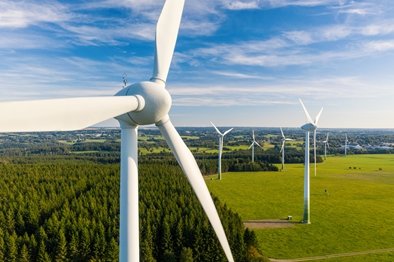
Vodafone is planning towards achieving net zero emissions from our own operations by 2028 in Europe, by 2035 in Africa, and across our value chain by 2040.

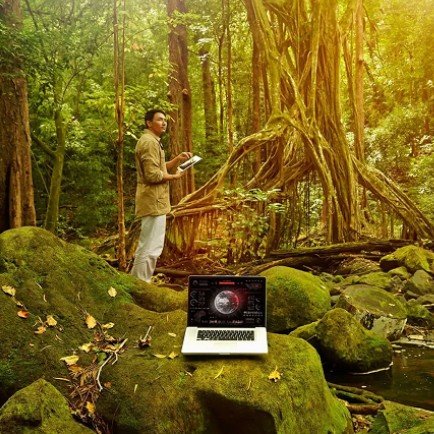
We recognise the great potential of the digital connectivity to accelerate emissions reduction and address the impacts of the climate crisis. We provide connectivity and digital solutions that help to enable the climate transition and aim to empower others to reduce GHG emissions, protect nature and improve the efficiency of resource usage.
However, we also acknowledge the environmental impact of technology. We are working to minimise the environmental footprint of our operations, our value chain and our products and services – by reaching net zero and improving the circularity of the technology we use and sell.
OUR APPROACH
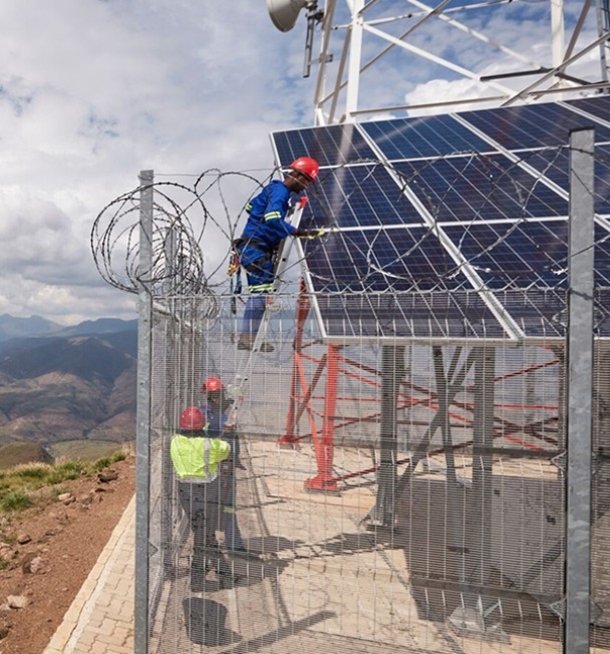
We are on track with our plan to reach net zero emissions from our operations by 2028 in Europe. We are taking action towards net zero operations in Africa by 2035.
Our longterm ambition is to achieve net zero emissions across our entire supply chain by 2040, in support of climate ambitions of the telecoms sector and the national ambitions of the country we operate.
Our path to net zero
Setting ambitious goals is not enough. We must plan and execute actions to achieve them. Vodafone’s first published climate transition plan sets us on the pathway to net zero. It outlines our objectives, strategy and governance for reducing emissions over a three year period in line with our climate targets and how we plan to manage our climate-related risks and opportunities to build climate resilience into our business.
Progress
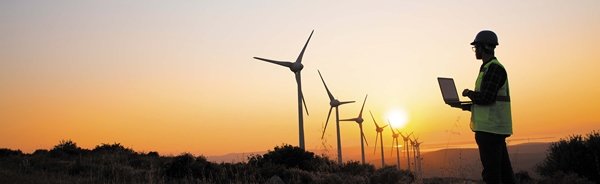
31% reduction in Scope 1,2,3 GHG emissions since 2020
Scope 1 & 2 emissions
The largest driver of our operational emissions (referred to as ‘Scope 1 and 2’) is the burning of fossil fuels to generate the energy needed to run our networks. To reduce these emissions, we have been taking the following actions:
Energy efficiency
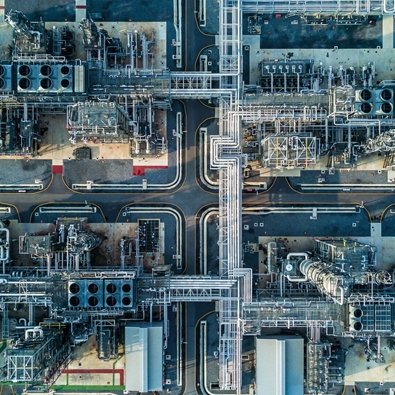
We improve energy efficiency and optimise energy use across our infrastructure assets and estate by modernising our networks, reducing electricity consumption, making improvements in network configuration, consolidating parts of our fixed network and data centre estate, and implementing ISO 50001 certified energy management systems across our markets.
What we do: We improve energy efficiency and optimise energy use across our infrastructure assets and estate by modernising our networks, reducing electricity consumption, making improvements in network configuration, consolidating parts of our fixed network and data centre estate, and implementing ISO 50001 certified energy management systems across our markets.
Why it matters: Improving energy efficiency helps cut emissions and costs at the source, reducing the energy needed to run our networks while supporting more resilient and efficient operations.
We continued to progress on improving the energy efficiency of our network equipment:
- Deployed the latest generation radio hardware
- Activated smart power-saving features in our network
- Used artificial intelligence to manage our energy more effectively
- Introduced flexible storage and incentives to move towards smart metering in our operating markets
- Delivered energy efficiency training programs for employees to raise awareness and encourage energy efficiency practices adoption in daily operations
- Shutdown our legacy technologies in several Vodafone markets in Europe, including Germany, UK, Italy, Netherlands, Czech Republic and Greece
- Fostered vendor collaboration to ensure energy-efficient technologies integration in their products
We increased our power usage efficiency (‘PUE’) in our technology centres to 1.49, and reduced the energy use of our data traffic to 0.15 kWh/GB. This was driven by:
- Continued improving energy efficiency using latest energy efficiency generation radio hardware
- Activated new smart power saving features in our network
- Used artificial intelligence for effective energy management
- Strengthened focus on innovation by running tests and conducting pilot projects for large-scale battery systems
- Undertook research exploring grid flexibility and how we can match electricity use in our own operations to times when the grid is most renewable

Alternative fuels
We connect our base stations to the electricity grid where economically feasible, so that we can rely less on power generators. Where this is not yet possible, we develop proof of concepts and conduct research to find alternative low or zero-carbon sources of power.
What we do: We connect our base stations to the electricity grid where economically feasible, so that we can rely less on power generators. Where this is not yet possible, we develop proof-of-concepts and conduct research to find alternative low or zero-carbon sources of power.
Why it matters: Reducing reliance on diesel and other fossil fuels helps lower operational emissions and can improve energy security at sites that are harder to decarbonise.
We developed proof-of-concepts to assess the feasibility of alternative fuels in our network:
- Commenced studies to assess the feasibility of using biofuel-diesel blends to power off-grid network assets in Egypt
- Began deploying hydrotreated vegetable oil (‘HVO’) biofuel to power parts of our network in the UK
We continued to test new technologies within our network:
- Trialled a low-cost hybrid diesel generator in Mozambique to reduce our reliance on diesel generators
On-site renewables
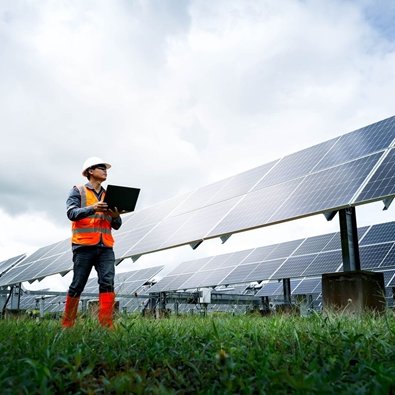
We increase the number of sites across our mobile access and fixed line networks and property estate with on-site renewable electricity generation and power storage. Ultimately, we aim to develop scalable renewable generation solutions designed to meet the needs of our distributed network sites and operations.
What we do: We increase the number of sites across our mobile access and fixed line networks and property estate with on-site renewable electricity generation and power storage. Ultimately, we aim to develop scalable renewable generation solutions designed to meet the needs of our distributed network sites and operations.
Why it matters: On-site renewables can reduce dependence on fossil-based electricity and improve resilience by generating power closer to where it is needed.
We trialled and implemented on site renewable technologies in several markets across our footprint:
- Developed trials to test solutions that will help us transition towards low- or zero-carbon alternative fuels, such as hydrogen, in the future
- Installed microturbine technology in Romania
- Progressed a proof-of-concept trial of a metal hydride hydrogen energy storage system in South Africa
We sourced 0.45% of our energy from on-site renewables to power our network. This was done through:
- Rollout of photovoltaic solar systems across our African and European sites
- Exploration of scaling “solar-as-a-service” in African markets
Fluorinated gas (‘F-gas’) strategy
We seek to reduce the accidental release of F-gases by improving the maintenance and operation of our cooling and fire suppression systems. We are also transitioning to lower global warming potential (GWP) gases where possible.
What we do: We seek to reduce the accidental release of F-gases by improving the maintenance and operation of our cooling and fire suppression systems. We are also transitioning to lower global warming potential (‘GWP’) gases where possible.
Why it matters: F-gases can have a very high global warming impact, so reducing leaks and switching to lower-GWP alternatives can significantly cut emissions.
We continued to reduce our reliance on F-gas in the network:
- Implemented advanced cooling systems that use less energy while maintaining optimal operating temperatures for data centres, such as liquid cooling and free cooling techniques
- Implemented dynamic thermal management systems that optimise air flow and balance the thermal data, ensuring efficient energy use
We continued to reduce our reliance on F-gas in the network:
- Continued rollout of lower-GWP refrigerants across cooling systems
- Conducted equipment upgrades and pilots to transition away from high‑GWP gases

Electrical Vehicles (‘EVs’) fleet in Europe
We aim to transition from using diesel and petrol fuel in company vehicles (internal combustion engines) to using electric vehicles (EVs) powered by electricity from renewable sources.
What we do: We aim to transition from using diesel and petrol fuel in company vehicles (internal combustion engines) to using electric vehicles (‘EVs’) powered by electricity from renewable sources.
Why it matters: Electrifying our fleet helps reduce direct fuel-related emissions and supports the wider shift away from internal combustion vehicles.
We progressed in introducing electric vehicles across our fleet in Europe:
- Introduced a new policy to transition to battery EVs for company cars in Germany and centralising the management of our vehicle fleet
- Progressed in the electrification of our fleet
We made progress in decarbonising our fleet:
- Ensured that over a quarter of purchased or ordered vehicles in our fleet across Europe are now electric
- Continued to engage our employee workforce on the benefits of EVs
Renewable electricity purchasing
We aim to match more of the electricity we use with renewable energy certificates, with an increasing proportion purchased directly from renewable generators via power purchase agreements (PPAs), in accordance with our RE100 commitment. Purchasing renewable electricity is particularly challenging in markets where renewable energy market mechanisms are less mature. To support the development of the African renewable energy market, we aim to innovate and scale up new models of renewable energy purchasing in our African markets. Ultimately, the objective of our renewable electricity procurement programme is to support the transition from fossil fuels to renewables. As the renewable energy market evolves, we will continue to seek new ways of supporting that transition through our procurement practices.
What we do: We aim to match more of the electricity we use with renewable energy certificates (‘RECs’), with an increasing proportion purchased directly from renewable generators via power purchase agreements (‘PPAs’). Purchasing renewable electricity is particularly challenging in markets where renewable energy market mechanisms are less mature. To support the development of the African renewable energy market, we aim to innovate and scale up new models of renewable energy purchasing in our African markets. Ultimately, the objective of our renewable electricity procurement programme is to support the transition from fossil fuels to renewables. As the renewable energy market evolves, we will continue to seek new ways of supporting that transition through our procurement practices.
Why it matters: Renewable electricity purchasing helps lower emissions from our electricity use and can support wider market demand for renewable power.
Matched 100% of our grid electricity consumption with renewable sources. Find out more.
Matched 100% of our grid electricity consumption with renewable sources. Find out more.
Scope 3 emissions
Our value chain emissions (referred to as ‘Scope 3’ emissions) are released into the atmosphere as an indirect result of the company’s activities or business model. These constitute the majority of our overall emissions, as our carbon footprint largely comes from the production of goods and services that we buy, the use of our products or services by our customers and the activities we finance through our investments. To support stakeholders in our value chain to reduce their emissions, we have been taking the following actions:

Carbon data analytics
We aim to build organisational, process and systems capability to draw insights and analysis from this data, so that it can be used to inform procurement and capital investment decisions – creating a shift towards a lower-carbon supply chain for the goods, capital equipment and services that we buy.
What we do: We aim to build organisational, process and systems capability to draw insights and analysis from this data, so that it can be used to inform procurement and capital investment decisions – creating a shift towards a lower-carbon supply chain for the goods, capital equipment and services that we buy.
Why it matters: Better data helps us target the biggest sources of value chain emissions and make more informed decisions on where to focus action.
We strengthened our approach and understanding of our Scope 3 data, setting the foundation for more robust data analytics:
- Introduced a centralised Scope 3 measurement tool
- Continued to improve our approach to Scope 3 measurements
Find out more in this case study.
We advanced our Scope 3 forecasting and data capabilities. For example, we:
- Worked with industry forums to collate Product Carbon Footprint (‘PCF’) data from suppliers
- Introduced supplier tools to assess and track emissions performance
- Strengthened metrics, data collection processes, and data quality controls
Key supplier engagement
We aim to engage with our key suppliers to align their climate ambitions with ours and accelerate the implementation of their decarbonisation plans.We also seek to consider supplier climate ambitions, plans and performance during the procurement and supplier selection process.
What we do: We aim to engage with our key suppliers to align their climate ambitions with ours and accelerate the implementation of their decarbonisation plans. We also seek to consider supplier climate ambitions, plans, and performance during the procurement and supplier selection process.
Why it matters: Engaging suppliers is critical because much of our carbon footprint sits in the supply chain, and progress depends on suppliers reducing their own emissions.
We developed our key supplier engagement programme and focused on foundational actions, such as:
- Conducted a large-scale procurement tender for network equipment which included consideration of suppliers’ climate performance
- Developed guidelines for device manufacturers on designing more sustainable products through the Eco Rating consortium, an initiative to evaluate the environmental impact of mobile phones and communicate this to consumers at the point of sale
- Introduced new global guidelines for media buying, which led to a 34% reduction in the carbon footprint of Vodafone’s global media and advertising
Of our strategic suppliers, 11% have Science Based Target Initiative (‘SBTi’) approved targets in place. To encourage all suppliers to accelerate their decarbonisation journey, we:
- Scaled our supplier engagement programme by introducing a new tool to assess and drive the maturity of our suppliers’ environmental programmes. We have already onboarded 60% of strategic suppliers and are now able to suggest and track specific actions to accelerate reductions in their net zero emissions, contributing to the overall reduction of emissions in our supply chain.
- Collaborated with our peers to reduce supply chain emissions in our sector through industry initiatives such as the Joint Alliance for Corporate Social Responsibility (‘JAC’), through which we supported 46 suppliers in decarbonising their activities by identifying priority actions for emission reduction, validating reduction pathways, and tracking progress against their decarbonisation plans
- Partnered with Telenor and strengthened our approach to supplier environmental criteria during both selection and contractual processes to accelerate the development of their environmental programmes.

Investment company engagement
We seek to support the companies we invest in to develop, implement and, if possible, accelerate the decarbonisation of their networks and operations.
What we do: We seek to support the companies we invest in to develop, implement and, if possible, accelerate the decarbonisation of their networks and operations.
Why it matters: Supporting investee companies can extend the impact of our transition efforts beyond our own operations and help reduce emissions linked to our investments.
We established channels of communication with our investment companies on the topic of ESG. Specifically, we built relationships with the relevant teams in companies we invest in; to share knowledge on climate transition planning and better understand the challenges they face on their own climate journeys.
We continued to engage our investment companies to share best practices and support the development and implementation of effective climate transition.

Longer lifetime devices
We establish services that extend the lifecycle of devices, such as repair, insurance and trade-in.
What we do: We establish services that extend the lifecycle of devices, such as repair, insurance and trade-in.
Why it matters: Extending the life of the device can reduce the need for new products to be manufactured, helping cut emissions and resource use across the value chain.
We expanded services that help extend the lifetime of devices:
- Scaled our second-life propositions in six countries
- Extended our trade-in services in eight markets
- Provided device care insurance in eight countries
We broadened services that help customers keep devices for longer. For example, we:
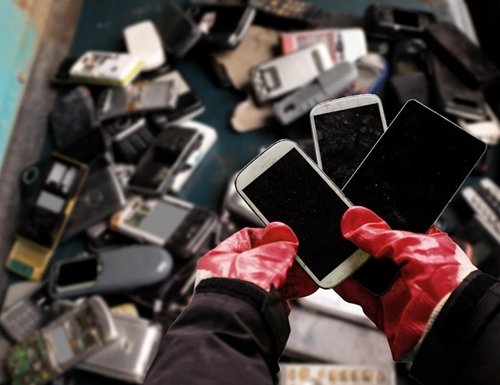
- Reached 1 million used mobile phones collected for reuse, recycling or donation through our ‘1 million phones for the Planet’ campaign
- Expanded our trade-in and second-life propositions across our markets
- Scaled our repair and insurance services to support customers in keeping their devices for longer
- Introduced flexible financing options to make it easier for customers to access insurance and repair services

Lower-carbon devices
Where possible, we consider the carbon footprint in the design of our own products and devices (such as customer premises equipment ('CPE') and TV set-top boxes).
What we do: Where possible, we consider the carbon footprint in the design of our own products and devices (such as customer premises equipment ('CPE') and TV set-top boxes).
Why it matters: Designing lower-carbon devices can reduce emissions embedded in products and improve environmental performance across their lifecycle.
We continued to assess and improve the environmental performance of our own products and devices. For example, we:
- Assessed 50 new models using the Eco Rating label, which evaluates the environmental impact of mobile phones across production, transportation, use and disposal
- Received a TÜV Rheinland Green Product Mark for Vodafone’s TV 3 (Giga TV Home) and TV PLAY (GigaTV Home Sound) set-top boxes
We further improved the environmental performance of our own products and devices by embedding sustainability considerations into design and assessment processes.

Device manufacturer engagement
We engage with original equipment manufacturers through industry forums and seek to align with them on climate ambitions and plans.
What we do: We engage with original equipment manufacturers through industry forums, such as the GSM Association (‘GSMA’), and seek to align with them on climate ambitions and plans.
Why it matters: Working with manufacturers can help influence product design and standards at scale, supporting the development of sustainable devices across the wider device market.
We engaged with mobile phone manufacturers through industry forums to support more sustainable product design. For example, we collaborated with the GSMA Climate Change Taskforce to publish the Business Case for Circularity.
We played an active role in industry initiatives to accelerate circularity in the devices value chain. For example, we worked with the GSMA and large EU operators to develop an approach to standardise labelling for refurbished smartphones.

Raising consumer awareness
We communicate with our customers to encourage them to choose lower-carbon and more energy efficient devices, and to use them in ways that reduce emissions during the use phase of these devices.
What we do: We communicate with our customers to encourage them to choose lower-carbon and more energy efficient devices, and to use them in ways that reduce emissions during the use phase of these devices.
Why it matters: Customer choices and behaviour influence product use-phase emissions and demand for more sustainable devices, helping drive wider market change.
We raised awareness among customers and enterprise audiences about more circular and lower-carbon device choices. For example, we:
- Launched the ‘We Need the Phones You Don’t’ campaign to encourage customers to trade in their phones
- Collaborated with Folk VML in Ireland on an out-of-home campaign addressing e-waste
- Raised awareness among enterprise customers through our engagement at Greentech Festival in Berlin, London and Singapore
We expanded awareness among consumers and enterprise customers about the environmental impact of device use and the benefits of more circular choices. For example, we:
- Launched a programme within Vodafone Business to calculate the carbon footprint of our top enterprise solutions
- Continued our global ‘We Need the Phones You Don’t’ campaign to encourage customers to trade in their devices
- Raised awareness among enterprise customers through a series of sustainability roundtables hosted in partnership with the Economist
- Published a report highlighting growing demand for refurbished devices and the motivations and barriers shaping customer behaviour
Climate resilience
Resilience to climate related risks and opportunity is a key part of our climate transition. We have established four priority initiatives to address our highest priority climate-related risks and opportunities, and to build climate resilience into our business:
Transparency & disclosures
We aim to regularly communicate our progress in delivering this transition plan to our external stakeholders.
What we do: We aim to regularly communicate our progress in delivering this transition plan to our external stakeholders.
Why it matters: Transparent reporting helps build trust, supports accountability and enables stakeholders to track our progress against our commitments.
We strengthened the governance and oversight of our Climate Transition Plan. For example, we:
- Operationalised our Climate Transition Plan across all markets, with clear accountabilities and objectives in line with CSRD compliance
- Monitored external reports of greenwashing
We continued to strengthen oversight of the Climate Transition Plan and prepare for its next iteration. For example, we:
- Improved oversight of the Climate Transition Plan at initiative level
- Started strategy development for the next iteration of the Climate Transition Plan
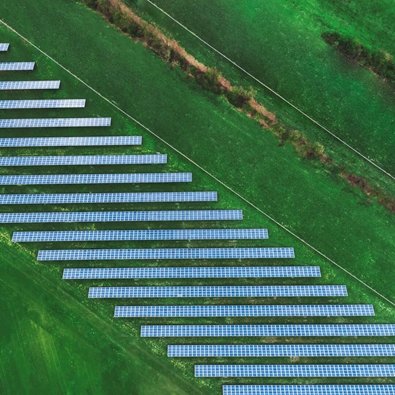
Power Purchase Agreements (‘PPAs’)
We aim to manage our exposure to energy price volatility by increasing the proportion of electricity that we purchase through long-term power purchase agreements (PPAs) in Europe.
What we do: We aim to manage our exposure to energy price volatility by increasing the proportion of electricity that we purchase through long-term power purchase agreements (‘PPAs’).
Why it matters: Long-term PPAs can improve cost visibility and resilience while supporting the build-out of renewable electricity supply.
We increased the use of PPAs to support our renewable electricity purchasing strategy. For example, we increased the number of PPAs to achieve our target to match 100% of the grid electricity used in our global operations with electricity added to the grid from renewable sources. Learn more
PPAs played an ongoing role in managing our exposure to energy price volatility and supporting our renewable electricity purchasing strategy.
This year, we sourced 14% of our electricity consumption from PPAs, contributing to the maintenance of our commitment to match 100% of the grid electricity with renewable sources. Find out more.

Climate related policy
We aim to contribute towards system-level change that will result in the acceleration of the renewable energy transition and the economy-wide transition to net zero by encouraging and supporting policies that improve the commercial and/or technical feasibility of Vodafone’s climate transition and by ensuring regulatory compliance with sustainability related regulations.
What we do: We aim to contribute towards system-level change that will result in the acceleration of the renewable energy transition and the economy-wide transition to net zero by encouraging and supporting policies that improve the commercial and/or technical feasibility of Vodafone’s climate transition and by ensuring regulatory compliance with sustainability related regulations.
Why it matters: Policy and regulation shape the pace and feasibility of transition, so constructive engagement can help remove barriers and enable wider system change.
We worked with internal and external stakeholders to help shape climate-related policy and support our transition plan. For example, we:
- Worked with stakeholders across the business to understand the impact of EU policies on different CTP initiatives
- Raised awareness among European policymakers of the sector’s need for future legislation on clean energy and green transition
- Collaborated with European organisations to help accelerate Europe’s clean industrial transition
We worked with stakeholders across the business and externally to understand the policy landscape and support climate-related action. For example, we:
- Raised awareness among European policymakers of the sector’s need for future legislation on sustainability reporting simplification, decarbonisation and green transition
- Collaborated with European organisations to help accelerate our policy priorities and action at EU level
- Published a report to outline practical solutions that could help accelerate decarbonisation across the ICT sector in Africa. Find out more here.
Sustainability by design
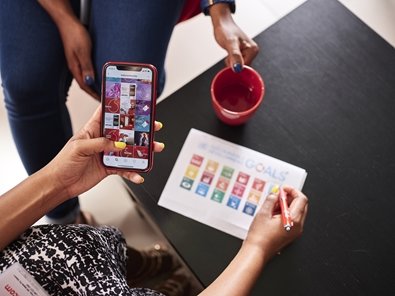
We aim to strengthen our portfolio of digital connectivity and technology solutions that enable the decarbonisation of a wide range of industry sectors, and to integrate sustainability and carbon data and insights into our product strategy, design processes and systems.
What we do: We aim to strengthen our portfolio of digital connectivity and technology solutions that enable the decarbonisation of a wide range of industry sectors, and to integrate sustainability and carbon data and insights into our product strategy, design processes and systems.
Why it matters: Embedding sustainability into product design can help reduce emissions in our own portfolio and increase the positive climate impact of the solutions we offer customers.
We continued to strengthen our sustainability by design approach across products and services. For example, we:
- Encouraged business customers to purchase handsets, tablets and laptops through the device lifecycle management (‘DLM’) programme, our device-as-a-service option, which supports redeployment, refurbishment or recycling at the end of contracts
- Received an EcoVadis Platinum award, placing Vodafone in the top 1% of companies assessed
We further embedded sustainability by design across our device and product propositions. For example, we:
- Redeployed over 99% of devices returned from the DLM leasing programme, contributing to carbon reduction, waste avoidance and a closed-loop economy
- Used the TÜV Rheinland Green Product Mark to encourage customers to purchase sustainable Vodafone-branded devices
- Maintained EcoVadis Platinum award, placing Vodafone in the top 1% of companies assessed
Find out more about our yearly progress in our annual report.

How we match 100% of our grid electricity with renewable sources
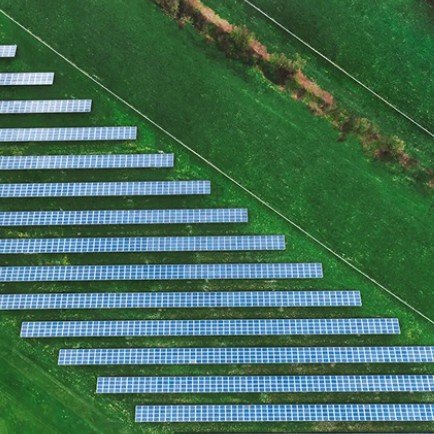
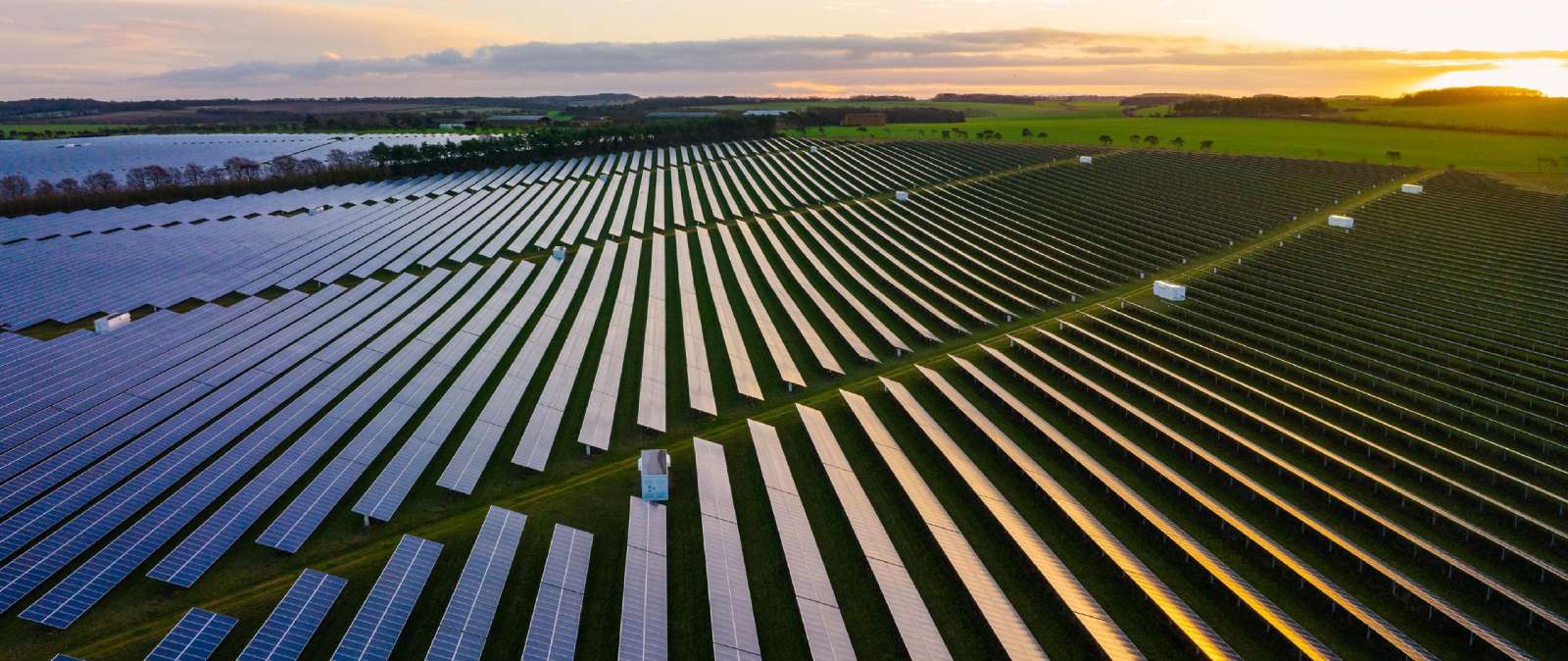
Powering our network requires 4000 GWh of electricity annually. That's about the same amount of electricity as it takes to power the city of Dublin for a year. We want to use our role as a buyer to demonstrate market demand for renewable electricity and encourage the growth of the renewable energy sector in the regions where we operate.
Since 2025, we are proud to match every year 100%1 of the grid electricity purchased and used in our global operations with electricity added to the grid from renewable sources. We achieved this target by increasing our use of power purchase agreements (‘PPAs’) and purchasing renewable energy certificates (‘RECs’) in markets where they are available. These agreements and certificates verify that electricity has been added to the power grid by renewable generators, like wind turbines and solar panels. Additionally, Vodafone has successfully engaged with governments and utility providers to establish innovative agreements and market mechanisms like our renewable electricity agreement in Egypt. These groundbreaking electricity arrangements are helping to reveal new ways that companies can support the development of the renewable electricity sector in the emerging markets where we operate.

However, not all countries have market systems set up to offer renewable energy market agreements or certificates to corporate buyers. This is the case in some of the markets where we operate (Albania, DRC, Greece, Lesotho, Mozambique, Romania and Tanzania). In these countries, we match our grid electricity use with renewable generation in grid-connected markets in the same regional power pool. Regional power pools are enabled by grid interconnections, which transcend national borders. By purchasing renewable electricity in neighbouring grid-connected countries, Vodafone demonstrates market demand for renewable energy, which signals to governments and policymakers that companies support the development of the renewable electricity sector in these regions. There is also one location (North Cyprus) where we operate where it is not feasible to match our electricity use with renewable sources, because there is no energy attribute tracking system in place and no grid connection to a market where such a mechanism exists.
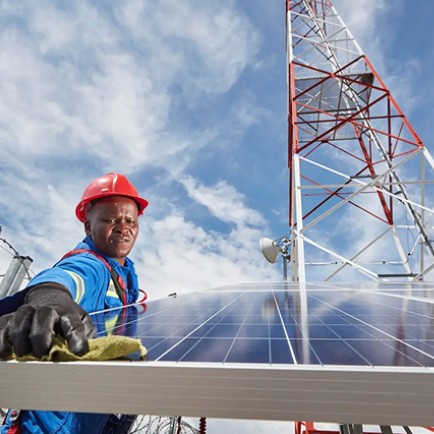
Whilst we’re pleased to match the vast majority of our grid electricity use with renewable sources, we see this as a milestone on our journey to supporting the renewable energy transition. As a member of RE100, we seek to source 100% of all electricity we use from renewable sources. Currently, some of our network operations continue to rely on stationary power generators not yet connected to the electricity grid, and we operate in markets where market mechanisms are not yet available to purchase RECs. This means that we’ve not yet achieved our RE100 target, but we’re committed to progressing further towards this as part of our climate transition. We are continuing to address this issue through increased use of on-site renewable generation (where feasible) and the replacement of diesel generators with alternative fuels and/or batteries. By doing so, we hope to accelerate the decarbonisation of electricity in Europe and Africa and encourage the production of renewable electricity.
- Correct to zero decimal places. Less than 0.2% of electricity we use is not matched with renewable sources because credible renewable electricity purchasing mechanisms are currently unavailable in the locations where this electricity is used and these locations are not grid-connected to any markets where such mechanisms are available.
How we help our customers decarbonise
We help our enterprise customers accelerate their journey towards net zero.
- Our Device as a Service solution provides the tools, technologies, processes and policies that collectively keep their organisations secure and ready to embrace change.
- Vodafone Telecoms Reporting provides a suite of telecoms management services built on a cloud-based platform for centralised reporting. Customers can monitor their business’s mobility usage, optimising resources and energy use.
- Device Lifecycle Management helps customers reduce the impact of the devices they lease from us. We manage device redeployment, refurbishment or recycling. It leads to savings of approximately 44 kgCO2e per phone and 82 kgCO2e per tablet by avoiding the production of new devices. For each leased device, an equivalent number of scrap devices destined for landfill are collected and recycled sustainably.
- Our V-Hub Platform provides advice on sustainable practices for SMBs to make their business more resilient to future regulations and trends. Helping to accelerate innovation and create change.

Harnessing the power of technology for net zero
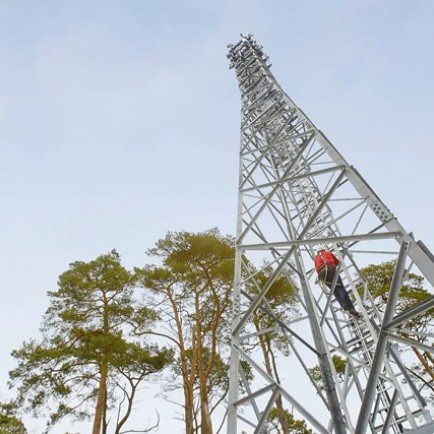
We believe in the power of connectivity and digital services to strengthen the resilience of economies. Through our mobile and fixed networks, we deploy technology that can facilitate the efficient use of resources and solutions solutions to help customers reach net zero.
Our leading IoT connectivity supports products that enhance road safety, monitor driving behaviour and offer eco-driving scoring, usage optimisation, remote maintenance and customised solutions. Through the use of our digital products and services, we have helped to avoid 116.5 million tonnes of greenhouse gas emissions since 2020, which represents 141 times the emissions generated from our own operations in 2024. Our 200 million IoT connections also help 53.5% of our customer reduce their emissions.
Our partnership with Controlant, a logistics solutions company, reduced the waste of perishable medicines in the pharmaceutical supply chain and helped distributors avoid unnecessary carbon emissions from redelivery. The solution helped to avoid 15% of CO2e per box of medicine delivered compared to industry averages. Read more about this exciting partnership here.
Responding to floods in Germany
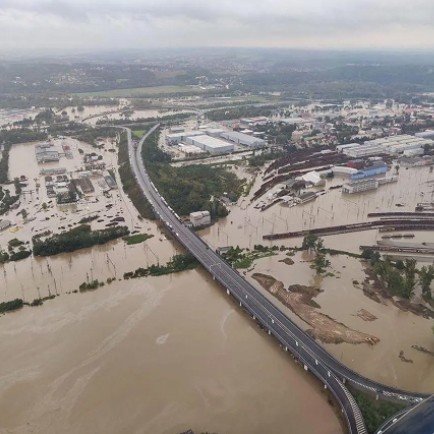
In recent decades, Germany has seen an increase in the frequency and severity of floods due to climate change and land use. These have caused significant destruction and disruption in the country, and continue to pose risks to our infrastructure.
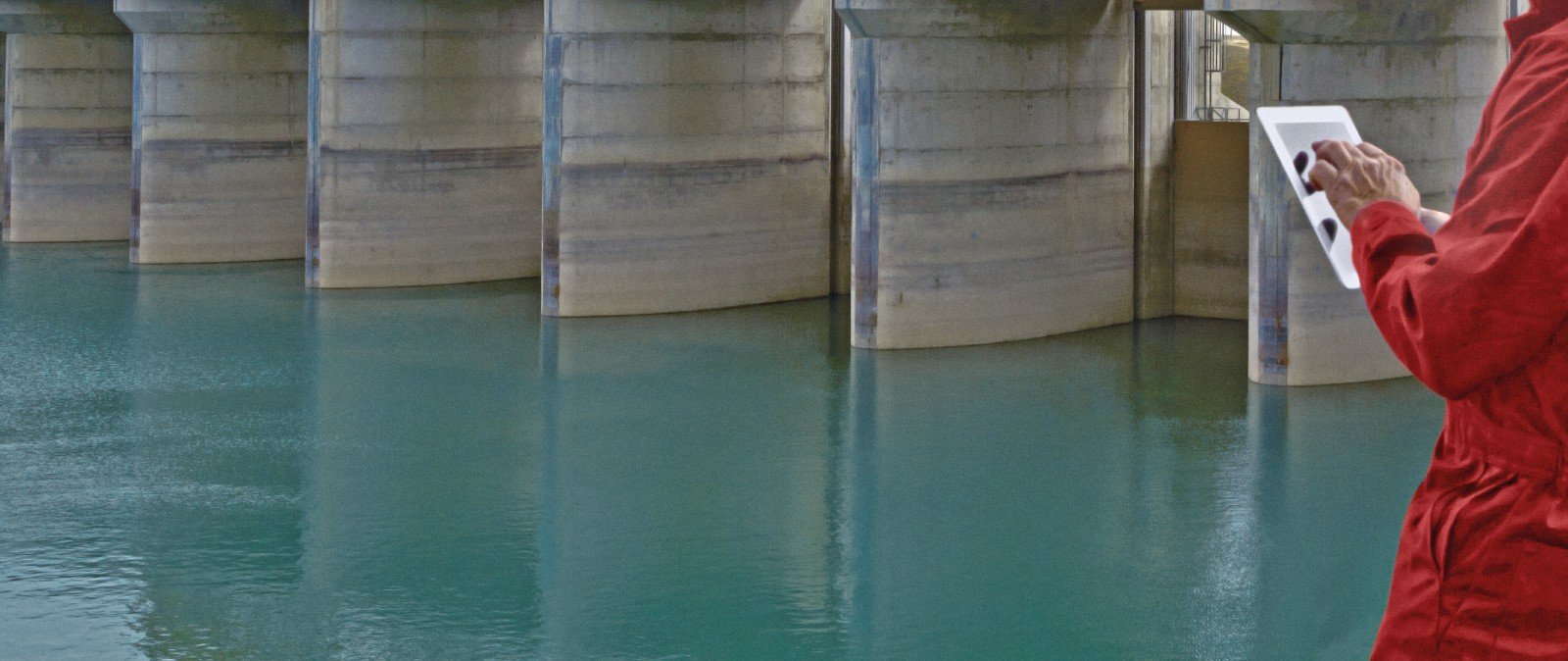
In June 2024, significant flooding occurred in Southern Germany, striking the most in Baden-Württemberg and Bavaria with water level rises of up to 10 metres. A smaller flood also occurred in September in the Saxony region. Vodafone Germany was directly affected by these extreme weather events and experienced substantial damage to its cable networks.
Restoring our network
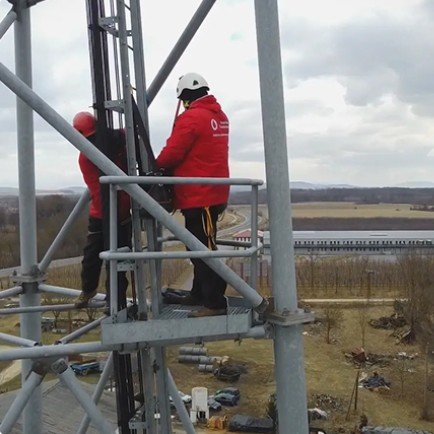
To restore the affected network quickly and safely, we mobilised departments across the business, such as field services, network management teams and crisis management teams, and disseminated information across the wider business. On the ground, we deployed our teams to assess the damage and repair the network equipment. During this process, we utilised our mobile RAN trailers, a disaster recovery truck containing all necessary equipment and power backup solutions to optimise network repair. Where additional support was needed, we collaborated with our external partners to undertake more complex repairs, for example in the excavation and rebuilding of our lines. We also liaised closely with energy providers to accelerate the restoration of our network’s power.
As a result of this coordinated approach, Vodafone Germany was able to promptly repair damaged assets and operationalise the network. Throughout the repair process, we took necessary measures to ensure that customers, authorities and local communities were kept informed of the impact on their internet access. To build our climate resilience and prepare for the occurrence of similar events in the future, Vodafone Germany is looking to integrate predictive monitoring using rain and weather forecasts in its network management processes.
Supporting affected communities
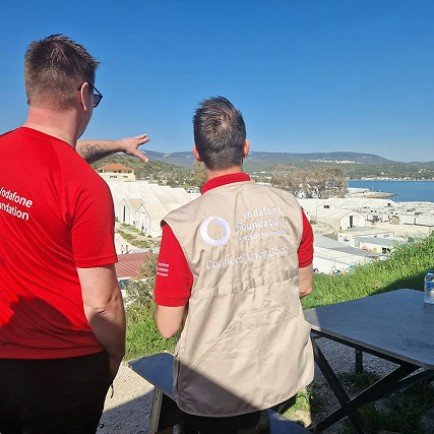
As part of Vodafone Foundation’s Instant Network Emergency Response (INER), we reached out to local authorities to offer our support in reestablishing connectivity in affected areas. Our Instant Network teams are deployed across the world at short notice to help displaced people struggling without connectivity, most commonly those affected by natural disasters, but also refugees.
In this instance, the German local authorities did not require the INER’s support. However, Poland was also affected by the floods in September, leading to the deployment of INER teams in affected regions. The team provided connectivity to seven different places in total over the course of a week. From a school in the devastated town of Stronie Śląskie, drafted into service as both a distribution hub for emergency supplies, as well as a base and dorm for first responders, to a farm acting as a base for attempts to reach remote villages that had been cut off from the wider world by the floodwaters.
Just Transition
At Vodafone, we are committed to protecting the planet: we have established our climate ambitions to become net zero by 2040, and are driving progress towards this through collaboration and partnership. We recognise that, as with any large-scale changes, our transition will create different impacts and opportunities for our workers, customers, suppliers and the communities where we operate.
As a responsible company committed to empowering people and maintaining trust, we seek to anticipate and address the risks and opportunities to ensure our transition towards a climate resilient and circular business is fair and just to everyone across our value chain. This means ensuring that people are empowered to embark on our decarbonisation journey, and sharing the opportunities of our transition with our people to help shape the society of tomorrow. In doing so, our aim - together with our customers - is to build an inclusive, sustainable, and trusted digital society where people and businesses can feel safe and welcome as they make the most of the possibilities that connectivity provides. Find out more about how we seek to empower people here and protect human rights here.
NEWS
All the latest
View all news