Our global commitment to safety, health and wellbeing

Workplace safety is a core value at Vodafone. We are committed to providing a safe and healthy environment for our employees, contractors, and partners by embedding strong safety practices, risk management, and a culture of accountability. We strive to prevent incidents and promote a safety-first mindset in everything we do, supported with continuous training, clear policies, and proactive monitoring,

SAFETY, HEALTH AND WELLBEING
margherita-profile

Quote Icon

Nothing is more important to us than the safety, health and wellbeing of our customers, communities, employees, and partners. We have a simple global commitment: no one gets hurt.”

Margherita Della Valle

CEO Vodafone Group

our-absolute-safety-rules

Our absolute safety rules

The Vodafone Absolute Rules focus on risks that present the greatest potential for harm for anyone working for or on behalf of Vodafone. The Absolute Rules ensure the correct safe behaviours in high-risk activities in all of our businesses. They remind us what we should ALWAYS do and NEVER do.

WE ALWAYS drive safely and legally; we always wear a seatbelt

WE ALWAYS drive safely and legally; we never use a handheld mobile device when driving

WE ALWAYS drive safely and legally; we always obey the speed limit

WE NEVER work under the influence of alcohol or drugs

WE NEVER carry out work on any electrical equipment unless qualified

WE NEVER undertake any street or underground work activities unless competent to do so

When working at height, ALWAYS wear protective gear, attach a safety harness and use fall protection equipment

When working in the vicinity of power; WE ALWAYS maintain the required safe distance and use the correct insulated equipment

Safety, Health and Wellbeing Framework

Nothing is more important to us than the safety, health, and wellbeing of our customers, communities, employees, and partners. We have a simple global commitment: no one gets hurt. If an incident does occur, we take steps aimed to prevent reoccurrence. Our SHW framework provides a consistent approach to leadership, planning, performance monitoring, governance, and assurance.
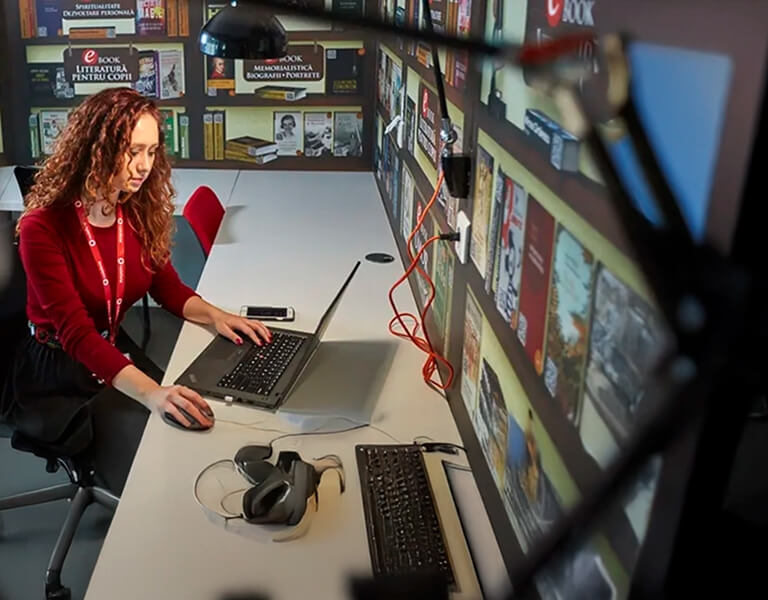
employee
employee

Employee

The majority of Vodafone employees have low-risk roles with respect to safety. Safety critical activities such as climbing, driving or working with electricity are performed by a small proportion of Vodafone employees, the majority of such high risk work is completed by our partners in the supply chain.

Health and Wellbeing risks, such as ergonomics or psychosocial risks, affect almost all of our employees. Risk such as occupational road risk, or work at height affect relatively few employees.


partner
partner

Partner 

Most of the work activity that carries a high safety risk is carried out by our partners on our behalf. Historically, these risks have accounted for the majority of serious incidents and fatalities that have occurred in Vodafone and in our supply chain.

Any new partner to Vodafone undergoes our partner qualification process to review their capability and performance on safety.

community
community

Community

We want to be a good neighbour and play an active role in the communities in which we operate. We recognise our activities to build, operate, and maintain our fixed and mobile networks can result in potential risks to members of these communities.

We always actively try to manage the activities directly within our control by working with our supply chain, and we are constantly looking for opportunities to make improvements in our communities through community safety programmes, road safety campaigns and education.

Our approach to managing key risks

We manage Safety, Health and Wellbeing risks through our Global Framework Policy. This oversees how we monitor and assess risks, set targets, review progress, and report performance. Our Group Executive Committee provide visible and clear leadership over SHW and carry out regular face-to-face safety engagements in line with our Global Framework Policy.


Our SHW Framework Policy provides a consistent approach to safety leadership, planning, performance monitoring, governance, and assurance. It is accompanied by suite of global standards setting out minimum standards that must be followed everywhere Vodafone operates. They are supported by local procedures and guidance to ensure we meet local legal requirements.

Our framework is based on the international standard ISO 45001 for occupational health and safety and always meets or exceeds local requirements. In addition, five European markets, Egypt, six VOIS locations and Vodafone Business Technology Solutions have independent external certification to ISO 45001.

Our Code of Conduct makes it clear that everyone working for or on behalf of Vodafone must behave in a safe and responsible manner at all times.

Every Vodafone employee or contractor and our partner’s employees and contractors must:

  • Abide by the Absolute Rules at all times;
  • Intervene if they see someone behaving in an unsafe manner;
  • Consider how their decisions and actions will affect the health and safety of others; and
  • Never compromise health and safety.

Our global Code of Conduct training includes a mandatory e-learning safety module designed to ensure that employees know how to keep themselves and others safe at work. It also includes details of our Speak Up programme that enables anyone to report safety concerns anonymously if they prefer.

Road safety remains the primary cause of serious injuries and fatalities associated with Vodafone activities.

We constantly engage with our employees and partners on road risk including our key risks such as speeding, distracted driving and not wearing a seatbelt. Mitigating road risk remains challenging because we operate in countries with extremely challenging driving conditions and have limited ability to control external factors such as unsafe driving conditions, or the actions of third parties on public roads.

Wherever permitted we continue to use in-vehicle monitoring technology to help us monitor driver behaviour and encourage those drivers to reflect and revise their driving performance to make them safer on the roads, and by so doing help the communities in which we work to stay safe.

Our Absolute Rules stipulate that anyone working with electrical equipment must be qualified and authorised to do so. Our training module on working with electricity provides guidance to employees on how to recognise risks and implement appropriate safety controls.

In addition, we have continued to work with partners to ensure that:

  • they have a documented risk management process for working with electricity;
  • those working with electricity are certified, competent and medically fit;
  • electrical equipment is fit for its intended purpose;
  • appropriate safety controls such as ‘lock out-tag out’ are in place; and
  • work on live electrical systems is prohibited (with the exception of extra low voltage systems, where additional controls are specified).

Mobile communications services rely on connectivity provided by antennae placed on towers, masts, and rooftops. We work to ensure the training of Vodafone employees and contractors and partners’ employees and contractors who work at height so that they understand the risks and take steps to control them.

Our network site design principles stipulate the need for safe access for people working at height and include guidance on the control measures required to manage the risks involved effectively. Fall-arrest equipment is inspected regularly as part of each of our local businesses’ preventative maintenance programmes.

During the year, we have also continued to work with third-party partners to ensure effective controls are implemented and monitored.

Expanding our fixed-line business has increased the amount of work undertaken to lay or maintain cables at height or underground. This work is hazardous, with the risk of injury or death posed working in proximity to power lines and for underground by penetrating electricity or gas lines, trenches collapsing during excavation and nearby road traffic.

Fibre-to-the-Premises and cable broadband installations require employees and contractors to work on private residential and business property as well as in the street. Doing so also poses risks such as not knowing the location of buried utilities. We are working with our local businesses to ensure that they have the necessary safety plans and controls in place to mitigate these risks.

All incidents relating to key risks and breaches of the Vodafone Absolute Rules are reported and investigated in adherence with timescales contained within our Incident Reporting Standard. We ensure that incidents are investigated in accordance with their severity, and appropriate remedial actions and improvements are identified and implemented. We strongly believe in the importance of prevention; however, we also believe that every incident should be treated as an opportunity for learning, improvement and action.

SHW is a global policy and is included within our global risk and compliance governance programme. This includes in-country face to face audits as well as remote validation as a complementary process. Our audits focus on the pre-selected key risks each year as well as additional topics identified during the year as a result of trends. These governance activities are complemented by informal engagement and communication events which typically include team meetings, site visits with contractors and partners and verification checks of actions taken following any serious incidents.

Discover more

code-of-conduct

Code of conduct

Doing what’s right means we must always act with integrity to ensure we are trusted by our customers, colleagues, business partners and the communities in which we work.

workplace-equality

Workplace equality 

The best innovations happen when diverse people with different perspectives collaborate. We are building an inclusive working environment where everyone can belong and thrive.