International Women’s Day is an opportunity to celebrate inspiring women who are making the world a better place.
This year, we’ve been speaking to women who are taking action to drive sustainability in Vodafone's business and communities.
Click below to learn more about their stories.

Costanza Fazi is a sustainability and foundation expert based in Milan, Italy. She has been working for Vodafone since 2019, splitting her time between sustainability and Vodafone Foundation, where she manages Bright Sky, Vodafone Foundation’s app for domestic abuse survivors.
Within sustainability, she works on three main areas: reporting and data analysis, adapting Vodafone’s global strategies, such as our net zero by 2040 commitment, for Italy, and other projects, such as building a circular economy.
Costanza also took part in the UN Young SDG Innovators Programme, in which business leaders and changemakers come together to develop innovative sustainability solutions.
My job inspires me because it aligns with my personal values
My purpose in life is to make the world a better place – and sustainability is a huge part of that. My master's degree sparked my interest in how large companies contribute to the environment and communities around them. Working in sustainability at a large corporation, you can really drive important change, whether that’s from an environmental or a social perspective.
The UN Young Innovators Programme was an amazing experience – I was working with people from all over the world, all of us fascinated by sustainability. We came up with a way to map out areas of digital poverty, to share with stakeholders who can make a difference.
Lots of companies took part, all bringing really interesting ideas. It was great to work in an international environment, with people that I otherwise wouldn't have worked with so closely. I was proud to present our solution at the UN General Assembly.
Sustainability should be at the core of every company’s strategy
People often focus so much on the idea that there needs to be a return on investment for sustainability that they lose perspective on the wider issue. Yes, financials are important – but really, operating sustainably should be the minimum requirement for a company. That’s the most fascinating thing about working in this area for me: integrating ESG factors into our strategy.
My mission is to make sure that sustainability becomes a priority for everyone that I interact with. It’s been really rewarding to see more and more people realise that it does matter – to see a real shift in people’s thinking.
Sometimes it helps to look back and see how far you’ve come
In 2017, when I was working in London, I wrote down what my ideal job would be. I spent two years applying for similar roles, and no one was calling me back. But I had this clear picture in my head of where I wanted to get to, and that kept me going.
Two or three days ago, I looked back at what I wrote down in London and found it matches up exactly with the job I’m doing now. My advice to others pursuing sustainability careers is to persevere, make the right contacts, and do your research. Sustainability spans a vast number of topics across the environmental, social and governance areas, and it’s important to have a deep understanding.
Have a clear vision of the job you want – but also know what you can bring to a company. Be clear on why a company should hire you, based on your personal beliefs and how you can contribute to their sustainability department. I thought I would never get to work in sustainability - but then I made it. And you can too.
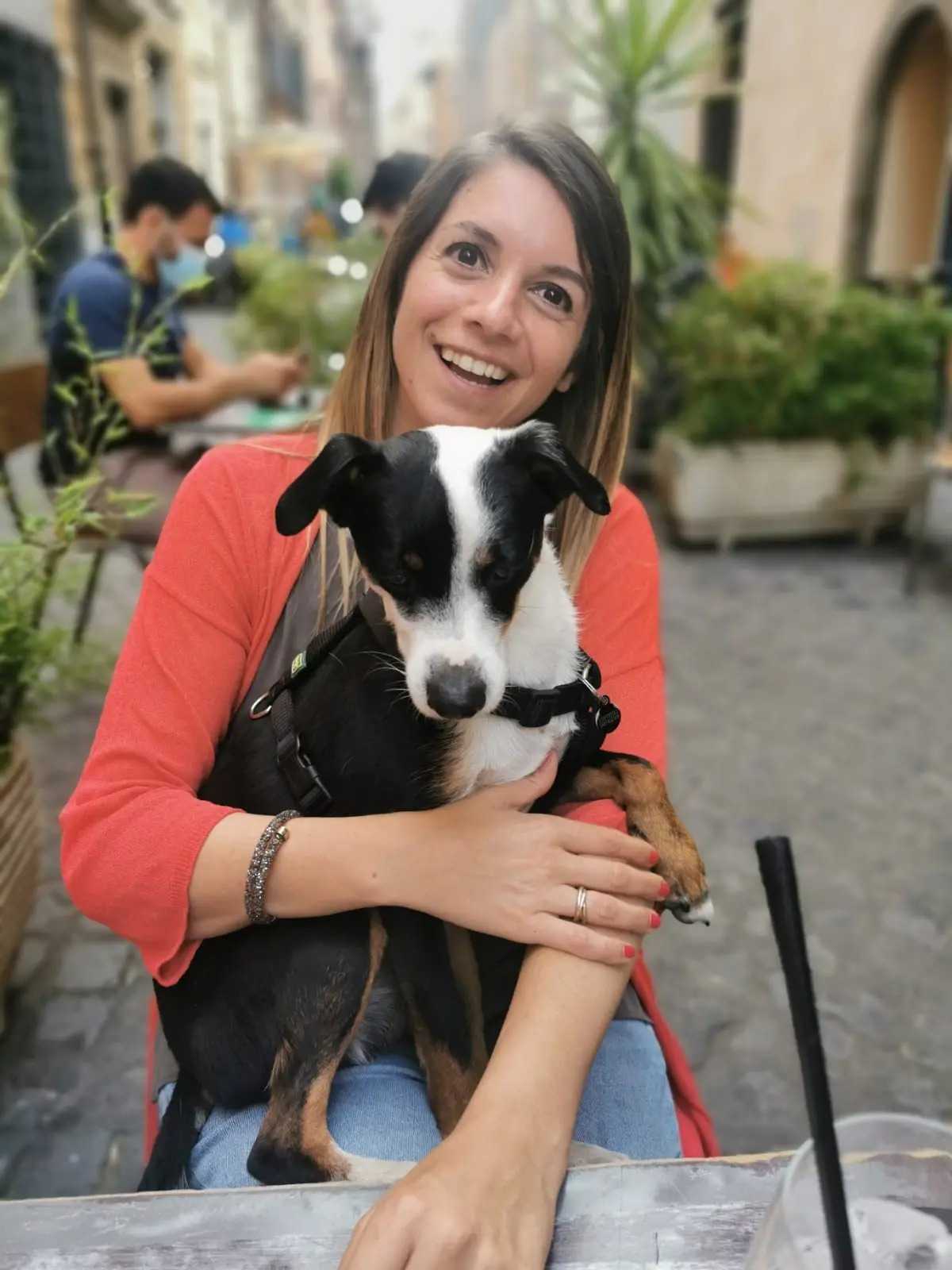
Ioana Tanase is a Project Management Team Lead at Technology_VOIS (Vodafone Intelligent Solutions) in Romania. She manages a team of 18 project managers, working to ensure they are delivering excellent project management in areas ranging from IoT to communications and connectivity. She is also involved in local improvement initiatives aiming to create a better and more efficient working environment.
As a Vodafone Foundation Instant Network volunteer, she dedicates her time to creating sustainable solutions for people in vulnerable situations. Instant Network Emergency Response initiatives often use renewable energies, such as solar and wind power, to support areas affected by disaster quickly and sustainably.
Instant Network Schools gives young refugees, host communities and their teachers access to digital learning content and the internet, improving the quality of education in some of the most marginalised communities in Africa. Often powered by solar energy, the schools offer extra-curricular activities linked to wider societal issues, designed to help students become global citizens and build sustainable communities.
I’m on a personal sustainability mission
I feel very close to nature. I have five rescue dogs, and I live in a village 30 kilometres outside Bucharest. The richness of the plant life and animals around me amazes me every day. I would love to see that being passed on to future generations.
Because of the pandemic a lot of people are moving closer to nature – to less populated areas – just as we did, 10 years ago. We own some land, and every year, we plant a few trees. We have close to 50 now. I plan to have my own forest someday.
We use sustainable products from the village to help the local economy, and we have solar panels and biodegradable waste disposal systems. We’ve seen first-hand how our quality of life improves and how the environment around us changes.
My work has changed my perspective on the world
It’s amazing to see how Vodafone’s IoT technology products are being used for sustainable development. For example, one of my colleagues is driving a project for safer transportation in Europe. Having an intelligent transport system is so important for creating sustainable communities.
My work has shown me that if you use technology with a sustainable mindset, you can make a difference in the world.
I’ve seen first-hand how technology can transform communities
We take connectivity for granted. But I’ve seen how grateful people are when you bring connectivity to an emergency, meaning they can let their loved ones know they’re OK.
What I love most about volunteering is the fact you get to experience how technology can change lives - either in emergency situations like natural disasters, or in remote areas, where it can help people get a better education. It gives you a real sense of purpose.
In 2018 I volunteered as part of an Instant Network Schools workshop in Nairobi, Kenya. We had people from DRC, South Sudan, Kenya and Tanzania there – it was so moving to hear their stories and see their determination to learn, despite all the challenges they've faced.
Never underestimate the value of people skills in tech careers
As a project manager, there’s an important lesson to learn: you can have all the processes, tools, and systems in the world – but in the end, you are working with people.
We have a saying in Vodafone: “Change is the only constant”. You are rarely in control; you just have to adapt to everything that comes along. People look to the project manager when challenges appear, so it’s important that you can adapt to them quickly and inspire others to do the same.
One of the few positive things to come out of the pandemic is that people have started putting a lot more emphasis on wellbeing and emotional intelligence in relation to leadership. My top piece of advice would be not to neglect the qualities that are often referred to as “soft skills” - stakeholder management, communication and leadership skills - because in the end, they make all the difference to a project.
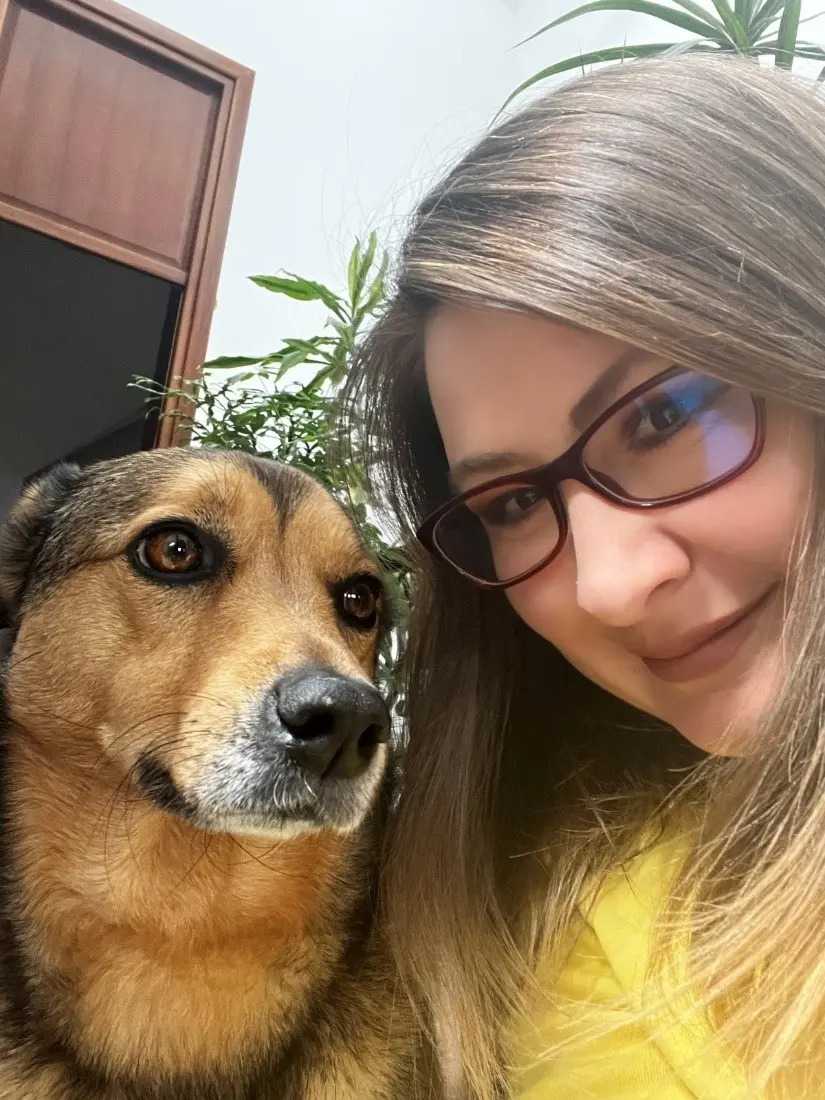
Kim Hurst works in Vodafone’s global procurement business. Based in Luxembourg, leads Vodafone’s Global Supply Chain Purpose Programme, with focus on cascading Vodafone’s Purpose into our global supplier base.
Vodafone Group evaluates suppliers on their commitments to diversity, inclusion and the environment when they tender for work, ensuring that Vodafone’s supply chain contributes towards Vodafone’s purpose to improve the lives of 1 billion people, while halving its environmental impact by 2025.
A supplier’s purpose criteria accounts for 20% of the evaluation for a ‘Request For Quotation’ (RFQ) to provide Vodafone with products or services. Suppliers are assessed on their commitment and performance to diversity and inclusion, the environment and, where relevant, health and safety.
Here, Kim shares what she’s learned about sustainability from working on the Programme.
Sustainability isn’t just about reducing emissions
I have been working with my colleagues to develop a strategy that cascades Vodafone’s values down through our supply chain. We focus on the Planet and Inclusion for All Purpose Pillars, because that's where we have the biggest responsibility and scope for impact.
Almost 30% of Vodafone’s total carbon footprint comes from the goods and services we purchase through our supply chain. But we also need to think about the people involved. Our suppliers’ employees may not be on Vodafone’s payroll, but we still have a responsibility for making sure they work in an inclusive environment.
When you work in procurement, you sit in a privileged position, at the top of the supply chain. But we believe working closely with our partners is key, particularly at this stage, when a lot of sustainability initiatives are embryonic in scope.
This isn't just about Vodafone meeting its targets. It's about protecting our children’s future. If we don't act now, there will be serious damage. And for me, it's become a personal ambition, as much as a professional one.
We focus on rewarding progress, not penalising weaknesses
We’ve developed and implemented a transformational scoring matrix for all suppliers that tender for business with us. Traditionally, we would look at their commercial, technical and strategic performance. But we decided to build in a corporate social responsibility assessment, with a 20% weighting. We benchmark suppliers against each other, so we can identify room for improvement and work together with them to drive progress.
We have one-on-one sessions with some of our larger suppliers to discuss how we can collaborate on the net zero journey, measuring the impact of their products and services and creating efficiencies in their products. We ask all suppliers to set Science Based Targets to reduce their carbon footprint and to commit to using renewable energy.
We've focused on building capability by rewarding the progress that's being made, as opposed to enforcing certain behaviours through punitive measures, such as contract termination or financial penalties. We're not trying to penalise those who are not so far ahead; we’re trying to drive positive change.
Promoting female-led businesses matters
In the diversity and inclusion space, suppliers have a wide range of initiatives that they can commit to; from having a gender-balanced team for the Vodafone account to introducing support networks for disadvantaged groups. We ask suppliers to support diversity in the workplace, with gender, ethnicity, LGBTQ+, age and disability related criteria. This includes policies on equal pay, and whether suppliers have publicly reported targets in relation to the proportion of women in their workforce and in senior positions.
Change is happening, but it’s sometimes frustrating how slowly these things progress – particularly as Vodafone is such a fast-moving environment, where we like things to happen quickly.
We are also determined to increase the number of diversely-owned businesses that we have in the supply chain. We have partnered with WeConnect, an organisation that supports female-owned businesses and facilitates introductions to multinational corporations like ours. We will use this relationship to incorporate relevant and exciting new businesses into the Vodafone ecosystem.
Returning to work after having children was the biggest challenge of my career
When I moved to Luxembourg over a decade ago, I decided to start a family. But my job had been based in the UK, so I had no option to return. I decided to take some time out to look after my children. I missed my job, but I loved the time I had with them.
Returning to work was incredibly difficult, because the world had moved on. There were new laptops, software, tools and processes - all of which were unfamiliar to me. I remember coming back to the office and seeing myself on camera and thinking, “Oh my goodness, that's terrible!” I had lost my confidence and self-belief.
I overcame it by putting myself outside of my comfort zone. I threw myself head-first into a role that was completely different to anything I knew before. I asked for support from people around me, listened to feedback and built upon it. Gradually, I built myself up by continually learning.
I now realise that having a varied career path can be an advantage. It gives you a broad perspective, a wide range of experiences to draw upon, and a fresh way of thinking about well-established processes.
Have passion – but be prepared to fight for progress
You have to be passionate to be successful in a sustainability career. You also need to be ready for pushback, because although it's a popular topic, it’s very complex - and it also falls outside of most people's daily role and performance objectives. Getting others aligned and taking accountability is key. You have to be prepared to fight your corner and influence people without necessarily having authority, and keep chipping away until you get the support you need to drive the agenda forward. Sustainability can’t be managed in isolation from the rest of the business. It's important to draw on expertise that already exists, because we won’t achieve real change unless we work together. It’s time to change our mindset on sustainability – because everybody is accountable for our planet’s future.
Mariam Cassim is Chief Executive Officer for Financial and Digital Services at Vodacom Group, the biggest mobile network operator in South Africa and Africa.
Her portfolio focuses on disruptive financial services for mobile network customers, specifically in the areas of microinsurance, payments, microloans and financial inclusion for small and medium enterprises in South Africa. It has a customer base of just over 14 million and generates over a billion rand of profit for the Vodacom group.
She is passionate about developing sustainable, innovative business models which benefit both business and society. She also supports the development of women in business through education and mentorship.
Here, Mariam explains what she has learned about sustainability over the course of her career.
I’m driven by making a difference to the lives of people across Africa
I come from humble beginnings, and I’ve witnessed the impact that a lack of access to financial and digital solutions can have – I experienced it myself and saw it in my family and in my community. My personal mission is to ensure that financial services are accessible for everyone, and not just the privileged few. I want to enable financial freedom for as many people as possible in Africa.
It’s so rewarding to see a product go from being just an idea to making a real difference to someone’s life. That’s what really fuels my passion and makes me love what I do.
Providing businesses with access to financial services solutions can give them a fighting chance in a tough economy. Often, entrepreneurs are unable to sustain their businesses due to a lack of support and capital. This is something that is very close to my heart – especially when it comes to helping female-owned businesses and empowering women to reach their full potential.
The more I learn and understand about this beautiful continent, our people and our struggles, the more strongly I feel that my purpose is to use my knowledge and platform to make a difference.
Digital financial services can help create a more sustainable future
I feel strongly about preserving our environment and its resources. It's not just about how we are impacting the world we live in now – it's about the impact we're having on generations to come. By investing in more sustainable and environmentally friendly practices, Vodacom can make a real difference, while creating opportunities for competitive advantage.
The acceleration of digital journeys is helping reduce the consumption of paper, decrease the carbon footprint of our communities, and drive our transition towards more sustainable ways of living.
Let go of the world’s expectations and claim your space
Being a female in the financial services industry is challenging. It's something I have had to learn to navigate. Moving to Vodacom added a new layer of complexity, because telecommunications is also traditionally a male-dominated industry.
I joined the Vodacom Financial Services team at a time when the business was operating at a loss, so I was under severe pressure to turn things around. Back then, financial services were not core to the Vodacom Group, so it was even harder to get the right support. I had to make some tough and unpopular decisions, but I knew they would benefit the business in the long run.
I’m often juggling many different hats - as a mother, wife, daughter, and South African woman. I can be extremely hard on myself when I prioritise work over school drop offs or attend a board meeting instead of a recital. Fighting that guilt is a constant challenge, but I’ve learnt not to be so hard on myself and to turn those moments of self-doubt into opportunities to learn.
There is a specific space in this world that only you can occupy. You have to let go of the expectations that the world has of you, so you can become the most authentic version of yourself. I completely embraced who I am, and that is my superpower.
Mentorship can drive sustainable progress for women in business
Women are increasingly being acknowledged for their skills and achievements - but men still dominate in leadership roles. When a woman is given the opportunity to lead, she must open the door to other women. I believe in mentorship and education; they are what brought me here.
There is so much value in listening and observing. Nothing beats the feeling of a mentor telling you about a time they went through a similar situation to the one you’re experiencing. We underestimate the need to identify. That's what people in influential positions should give to aspiring women - something to identify with. We rise by lifting others. Women can achieve anything we put our minds to. Equip yourself with knowledge, and never stop learning. The fintech space is exciting and fast-paced, so it’s important to be flexible, keep an open mind, and embrace change - because the industry is full of it.
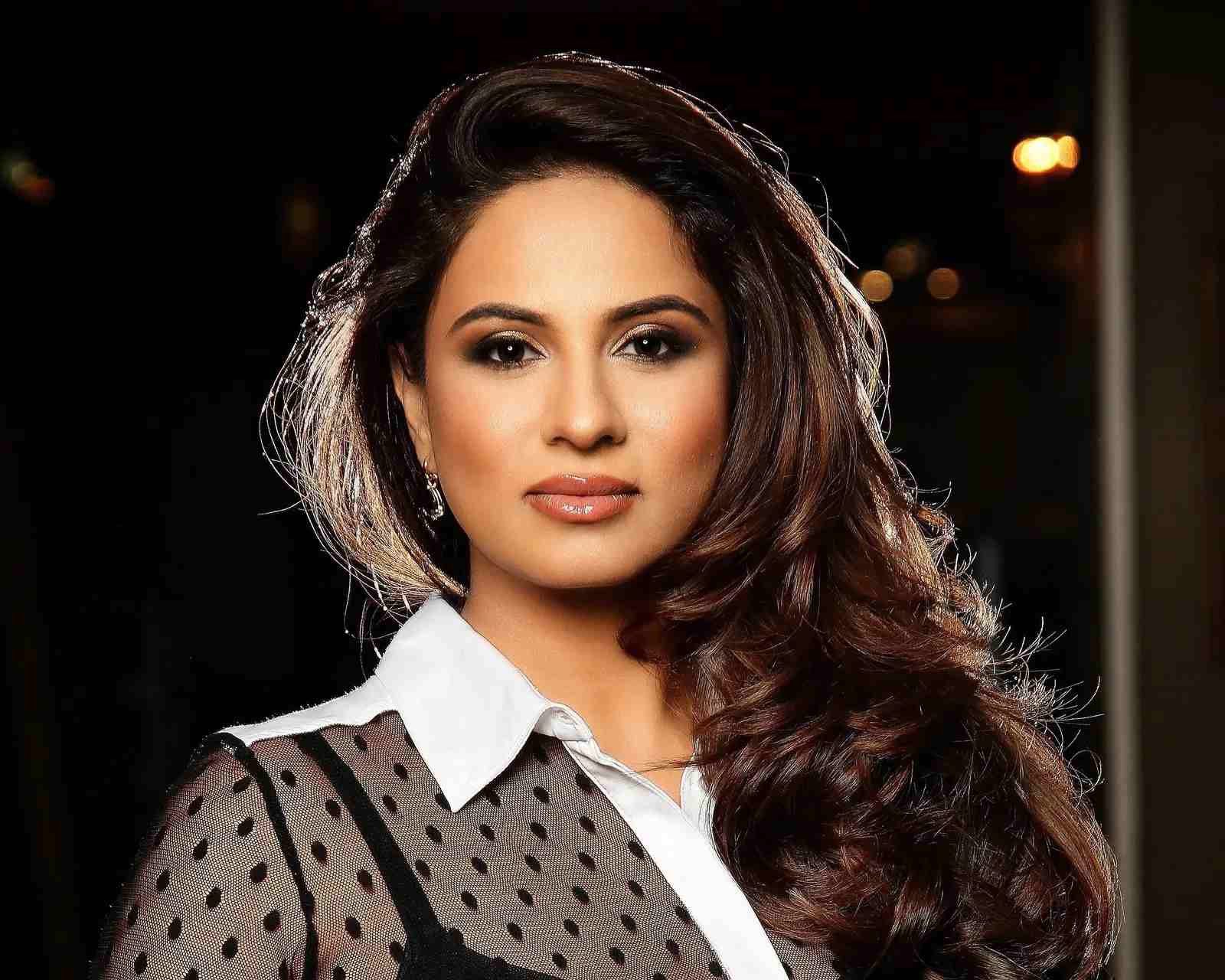
Rosemary Martin has been Vodafone’s Group General Counsel and Company Secretary since 2010. She previously served as CEO of the Practical Law Group, having spent 11 years with Reuters Group Plc, with the last five years as Group General Counsel and Company Secretary.
Before joining Reuters, Rosemary was a partner with Rowe & Maw (now Mayer Brown). She was a Non-Executive Director of HSBC Bank Plc (the European arm of HSBC Group) until April 2016 and a Non-Executive Director of EY until August 2018.
Rosemary spends roughly a third of her time working on board matters, on the company secretarial side, alongside the executive committee; a third on legal issues that arise around the business; and a third on leading the function and managing Vodafone’s 500-strong global legal team.
Here, she explains how her longstanding passion for sustainability has led her to use her position to influence and encourage other organisations to make bold commitments on climate change.
The law can play an important role in the fight against climate change
Change happens when laws are made. When the science first came out around climate change, it was translated into policies and laws that governments signed up to. As soon as you have laws, you have an opportunity to hold people to account.
In sustainability, one of the most powerful things a lawyer can do is translate from science to society: educating citizens and influencing their behaviour to protect the planet.
But there are so many other ways that lawyers can play a part - from using contracts to create chains of accountability, to suing governments and calling out companies that are not meeting their obligations. As in-house lawyers, we help our colleagues understand what our legal responsibilities are, so they can work out how we meet our commitments.
Make your voice heard, and spread your message widely
Companies like ours have a powerful ability to influence other organisations. As Vodafone's General Counsel, I’m trying to raise the volume on conversations about climate change, within Vodafone and externally, particularly amongst the legal community.
But it’s not always easy to have your voice heard. If you’re struggling to do so, my advice would be to hone your message – make it as simple as you can – and keep driving it home. Amend it as you go, if you see it's not landing right, and keep talking – don't give up.
Try to light a fire – or lots of little fires in lots of places. The more people are talking about an issue, the more it will begin to bubble up. Try to get a mass of people talking about it. Talk to your friends and colleagues about your ideas, and use social media to put them out there in as many different forms as you can.
Make it funny, if you can. Don't be aggressive; it frightens some people. And if you're finding it hard to get your point across in your own organisation, think about other channels to use, whether it's through your professional body or through acquaintances outside work. Eventually, it'll come back around and influence your organisation.
I find that by seeding your ideas widely, flowers will bloom in unexpected places. You can influence people in ways you were not expecting. I have sometimes scattered the seed of an idea somewhere and it has suddenly bloomed when someone else picked it up and ran with it.
Having diverse experiences in your career can be a huge advantage
When I first started my career, it was normal to go straight into a law firm and work your way up. But nowadays people tend to move around more between roles, sectors, organisations and countries. By staying in one place, there is a risk you end up with a narrow view of what's possible, because your horizons are limited by the world that you're in.
Having many different experiences helps you expand your knowledge. You might be doing the same job, but in a different country, and learning a huge amount about its culture. The more we learn, the more we can make an impact and improve people’s lives.
Wherever your career takes you, it’s so important to be kind, and to treat people with respect. And that doesn’t mean you have to be soft. I’ve met some very influential people who are incredibly kind and empathetic – but that doesn’t mean they are shrinking violets. It's about being yourself, letting your personality shine through, and being someone who people want to work with.
Sustainability is about creating a better future for the next generation
I love the law – even after working with it for such a long time. It's a hidden, but powerful, part of society. And I feel passionately that we as lawyers must play our part in fighting climate change.
We're all human beings, and we need to find a way to continue living on this planet together. We need to reflect on what we can personally do to give the next generation a better future.
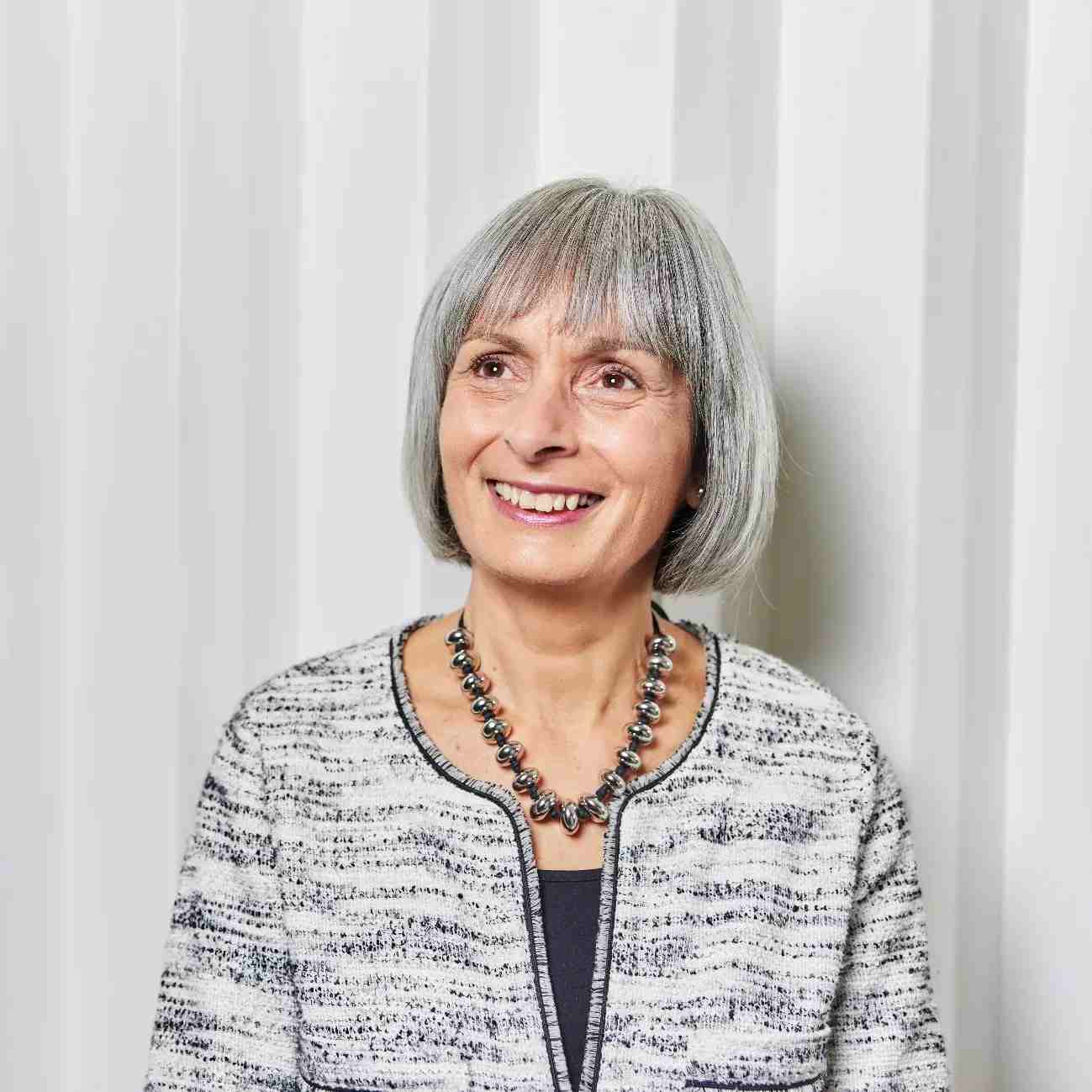
Salma El Dafrawy is a governance and communications specialist based in Egypt. On the governance side, she manages the delivery of Vodafone Foundation’s work in Egypt, ensuring that the charitable funds invested provide maximum impact to beneficiaries. From a communications perspective, her role involves spreading the word about the programmes the Foundation invests in, to ensure they are reaching as many beneficiaries as possible and creating an ecosystem that enables Vodafone volunteers to give back to the community.
She is also Country Programme Manager for Vodafone Foundation’s Instant Network Schools programme in Egypt, which is delivered in partnership with UNHCR, the UN refugee agency, to connect 500,000 refugee students and host communities to a quality digital education.
I'm motivated by empowering the communities around me
I've always been passionate about social development and creating shared value for the communities around me. After studying International Relations at Trinity College, Connecticut, I wanted to return to Egypt to work in an organisation that empowers communities while creating a more sustainable future. My role is all about creating a more equal society through Vodafone Foundation’s projects. We do this by giving more people access to quality education and giving communities the tools they need to be more sustainable.
Sustainability is no longer a choice – it's a necessity
My career has taught me that there’s no “one-size-fits-all" definition for sustainability; in today’s interconnected world, it touches so many different areas.
Over the past few years, sustainability has gone from being a competitive advantage to being a pivotal factor in any organisation’s future. And that encompasses so many things, from their impact on the planet to their finances and the way they treat their people.
My job has changed my perspective on the world
My role has given me the tools to take a new perspective on the world. At Vodafone, I've learned the value of giving back to the community by focusing on scalability through technology, rather than on-the-spot impact.
It's all about using digital solutions to create sustainable models that have a longer-term impact and achieve bigger results.
Stay confident, trust yourself and adapt to your surroundings
One of the biggest career challenges I’ve faced is starting a new job during a pandemic. It was difficult to get to grips with a new organisation without meeting colleagues in person. I’d advise others in a similar situation to make an extra effort to build relationships and adapt to the workplace they’re in, no matter what the circumstances are - because the world of work is constantly changing.
I took on leadership responsibilities at a young age through the Instant Network Schools programme. It was a fantastic opportunity – but it was also incredibly challenging. My advice to others managing big roles at a young age is to trust themselves and be confident. Never say “no” to a role because it intimidates you.
Success is meeting yourself where you are
I am grateful for the opportunities I’ve been given, because they made me realise that success is not defined by reaching the top of the ladder; it’s about having a purposeful journey that allows me to touch the lives of others.
By continuing to learn, develop and grow, you are already walking the path that’s right for you. So, my top piece of advice is this: walking your own path means you are already successful - so keep walking!
More stories
New GSMA report shows how Europe’s mobile future depends on efficient scale
16 minute read