Vodafone is committed to achieving net zero emissions from our own operations by 2028 in Europe, by 2035 in Africa, and across our value chain by 2040.

Digital connectivity has great potential to accelerate emissions reduction and address the impacts of the climate crisis. According to the World Economic Forum, digital solutions are estimated to have the potential to cut global greenhouse gas emissions by up to 20% by 2030.
We believe technology is key to the next era of industrial growth - building a healthy and competitive economy that is cleaner, less wasteful, more renewable and more sustainable. By providing technology and connectivity, Vodafone is enabling and empowering others to reduce the emissions that contribute to climate change, protect nature, use natural resources more efficiently and waste less.
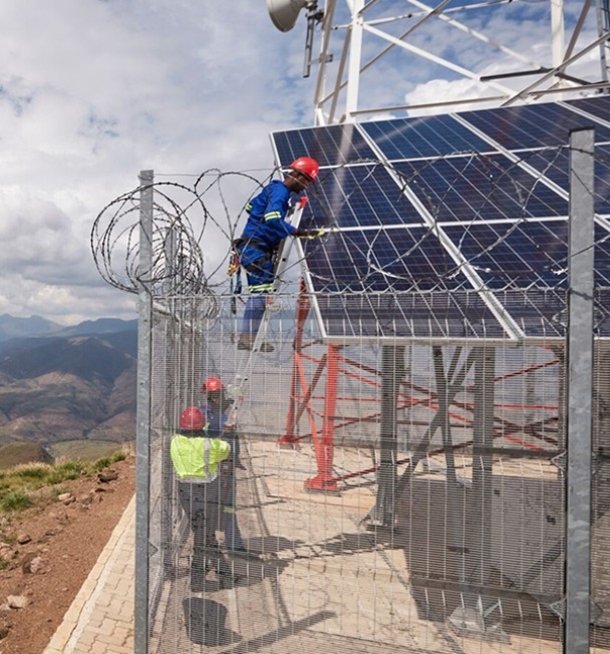
GOALS
2028 Net zero operations in Europe
2035 Net zero operations in Africa
2040 Net zero across our global value chain
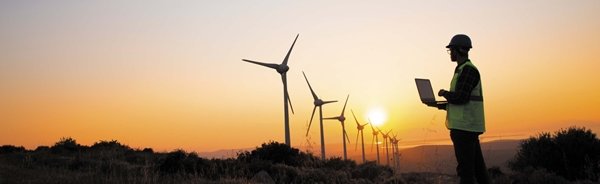
Progress: 84% reduction in our own operations emissions since 2020

Our path to net zero
Setting ambitious goals is not enough. We must plan and execute actions to achieve them. Vodafone’s first published climate transition plan sets us on the pathway to net zero. It outlines our objectives, strategy and governance for reducing emissions over a three year period in line with our climate targets and how we plan to manage our climate-related risks and opportunities to build climate resilience into our business.

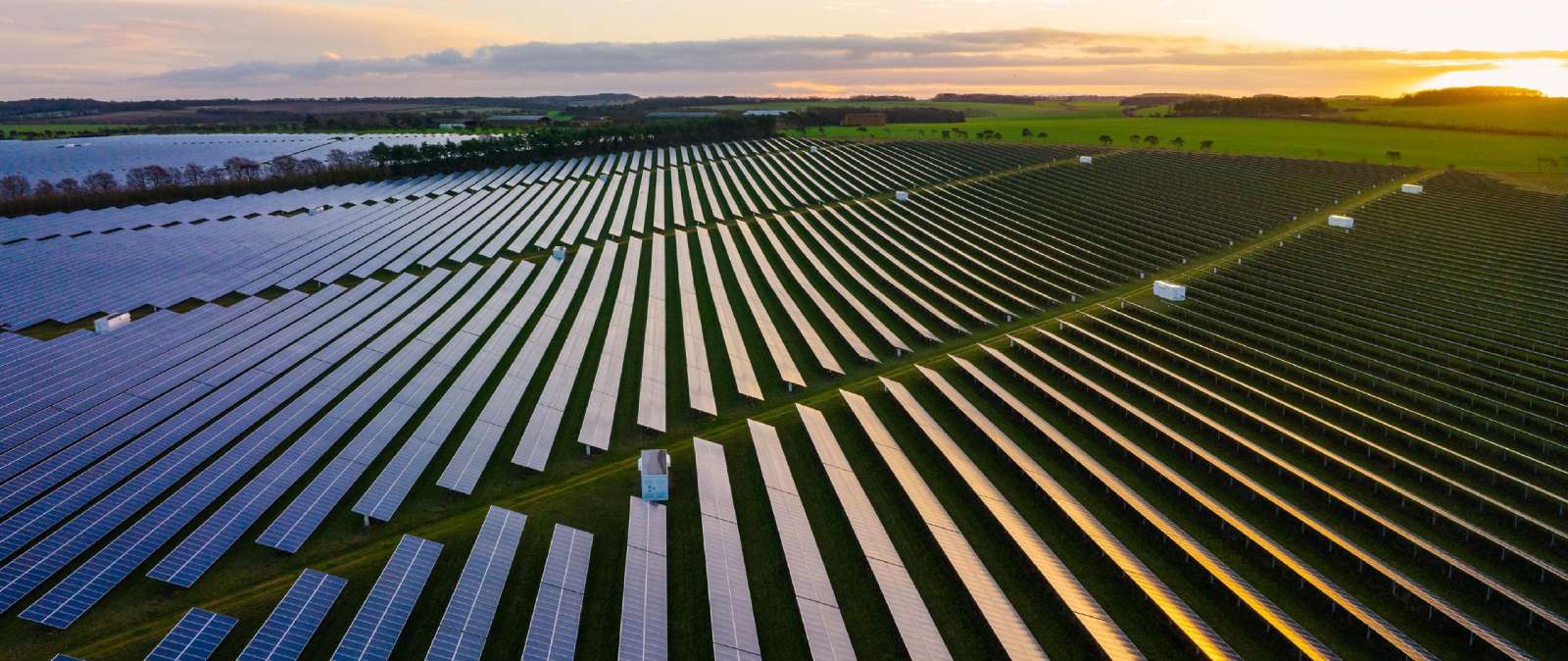
How we match 100% of our grid electricity with renewable sources
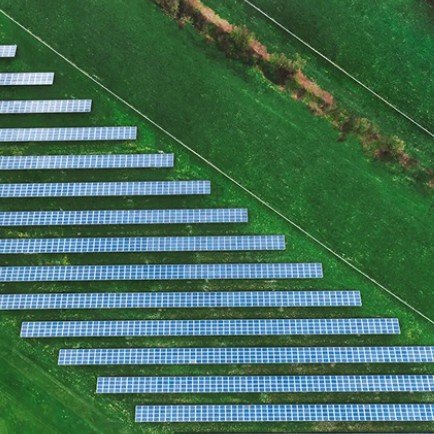
Powering our network requires 4000 GWh of electricity annually. That's about the same amount of electricity as it takes to power the city of Dublin for a year. We want to use our role as a buyer to demonstrate market demand for renewable electricity and encourage the growth of the renewable energy sector in the regions where we operate.
In 2025, we are proud to have matched 100%1 of the grid electricity purchased and used in our global operations with electricity added to the grid from renewable sources. We achieved this target by increasing our use of power purchase agreements (‘PPAs’) and purchasing renewable energy certificates (‘RECs’) in markets where they are available. These agreements and certificates verify that electricity has been added to the power grid by renewable generators, like wind turbines and solar panels. Additionally, Vodafone has successfully engaged with governments and utility providers to establish innovative agreements and market mechanisms like our renewable electricity agreement in Egypt. These groundbreaking electricity arrangements are helping to reveal new ways that companies can support the development of the renewable electricity sector in the emerging markets where we operate.

However, not all countries have market systems set up to offer renewable energy market agreements or certificates to corporate buyers. This is the case in some of the markets where we operate (Albania, DRC, Greece, Lesotho, Mozambique, Romania and Tanzania). In these countries, we match our grid electricity use with renewable generation in grid-connected markets in the same regional power pool. Regional power pools are enabled by grid interconnections, which transcend national borders. By purchasing renewable electricity in neighbouring grid-connected countries, Vodafone demonstrates market demand for renewable energy, which signals to governments and policymakers that companies support the development of the renewable electricity sector in these regions. There is also one location (North Cyprus) where we operate where it is not feasible to match our electricity use with renewable sources, because there is no energy attribute tracking system in place and no grid connection to a market where such a mechanism exists.
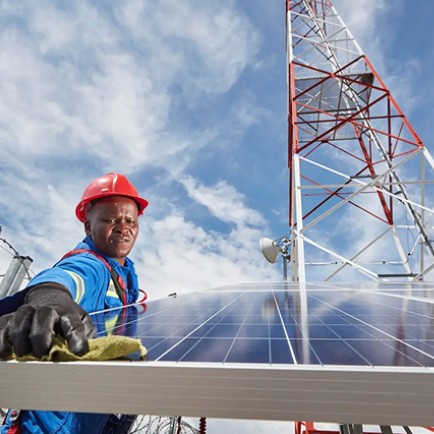
Whilst we’re pleased to match the vast majority of our grid electricity use with renewable sources, we see this as a milestone on our journey to supporting the renewable energy transition. As a member of RE100, we seek to source 100% of all electricity we use from renewable sources. Currently, some of our network operations continue to rely on stationary power generators not yet connected to the electricity grid, and we operate in markets where market mechanisms are not yet available to purchase RECs. This means that we’ve not yet achieved our RE100 target, but we’re committed to progressing further towards this as part of our climate transition. We are continuing to address this issue through increased use of on-site renewable generation (where feasible) and the replacement of diesel generators with alternative fuels and/or batteries. By doing so, we hope to accelerate the decarbonisation of electricity in Europe and Africa and encourage the production of renewable electricity.
- Correct to zero decimal places. Less than 0.2% of electricity we use is not matched with renewable sources because credible renewable electricity purchasing mechanisms are currently unavailable in the locations where this electricity is used and these locations are not grid-connected to any markets where such mechanisms are available.
How we help our customers decarbonise
We help our enterprise customers accelerate their journey towards net zero.
- Our Device as a Service solution provides the tools, technologies, processes and policies that collectively keep their organisations secure and ready to embrace change.
- Vodafone Telecoms Reporting provides a suite of telecoms management services built on a cloud-based platform for centralised reporting. Customers can monitor their business’s mobility usage, optimising resources and energy use.
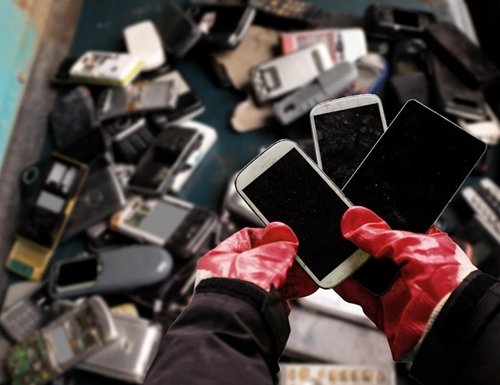
- Device Lifecycle Management helps customers reduce the impact of the devices they lease from us. We manage device redeployment, refurbishment or recycling. It leads to savings of approximately 44 kgCO2e per phone and 82 kgCO2e per tablet by avoiding the production of new devices. For each leased device, an equivalent number of scrap devices destined for landfill are collected and recycled sustainably.
- Our V-Hub Platform provides advice on sustainable practices for SMBs to make their business more resilient to future regulations and trends. Helping to accelerate innovation and create change.

Harnessing the power of technology for net zero
We believe in the power of connectivity and digital services to strengthen the resilience of economies. Through our mobile and fixed networks, we deploy technology that can facilitate the efficient use of resources and solutions solutions to help customers reach net zero.
Our leading IoT connectivity supports products that enhance road safety, monitor driving behaviour and offer eco-driving scoring, usage optimisation, remote maintenance and customised solutions. Through the use of our digital products and services, we have helped to avoid 116.5 million tonnes of greenhouse gas emissions since 2020, which represents 141 times the emissions generated from our own operations in 2024. Our 200 million IoT connections also help 53.5% of our customer reduce their emissions.
Our partnership with Controlant, a logistics solutions company, reduced the waste of perishable medicines in the pharmaceutical supply chain and helped distributors avoid unnecessary carbon emissions from redelivery. The solution helped to avoid 15% of CO2e per box of medicine delivered compared to industry averages. Read more about this exciting partnership here.
Responding to floods in Germany
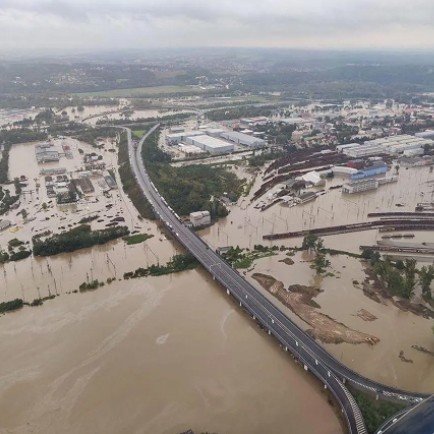
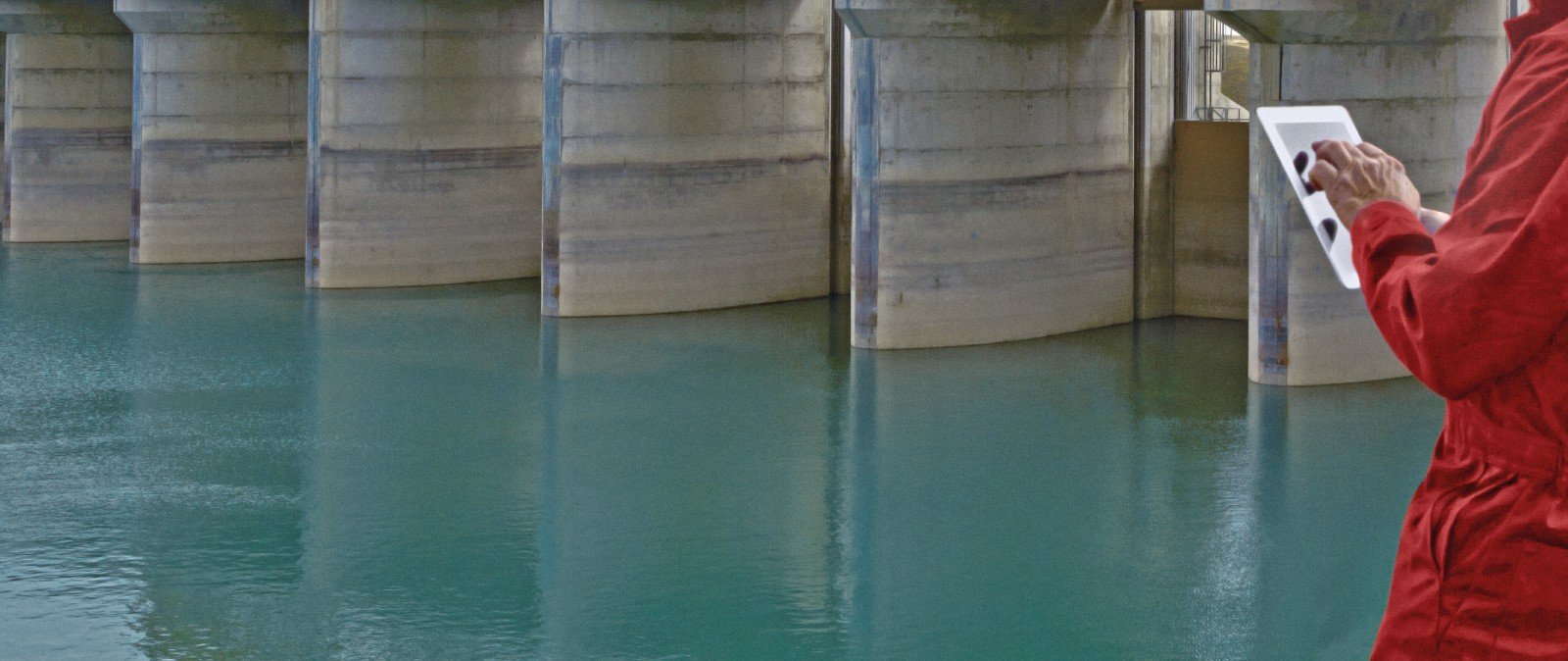
In recent decades, Germany has seen an increase in the frequency and severity of floods due to climate change and land use. These have caused significant destruction and disruption in the country, and continue to pose risks to our infrastructure.
In June 2024, significant flooding occurred in Southern Germany, striking the most in Baden-Württemberg and Bavaria with water level rises of up to 10 metres. A smaller flood also occurred in September in the Saxony region. Vodafone Germany was directly affected by these extreme weather events and experienced substantial damage to its cable networks.
Restoring our network
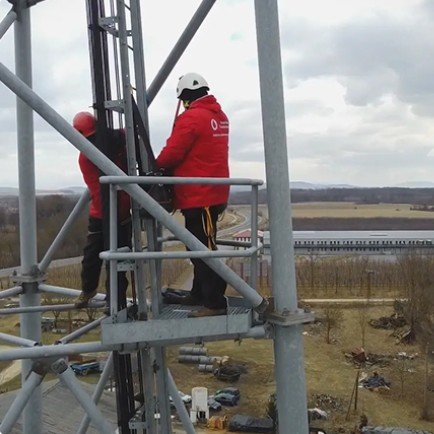
To restore the affected network quickly and safely, we mobilised departments across the business, such as field services, network management teams and crisis management teams, and disseminated information across the wider business. On the ground, we deployed our teams to assess the damage and repair the network equipment. During this process, we utilised our mobile RAN trailers, a disaster recovery truck containing all necessary equipment and power backup solutions to optimise network repair. Where additional support was needed, we collaborated with our external partners to undertake more complex repairs, for example in the excavation and rebuilding of our lines. We also liaised closely with energy providers to accelerate the restoration of our network’s power.
As a result of this coordinated approach, Vodafone Germany was able to promptly repair damaged assets and operationalise the network. Throughout the repair process, we took necessary measures to ensure that customers, authorities and local communities were kept informed of the impact on their internet access. To build our climate resilience and prepare for the occurrence of similar events in the future, Vodafone Germany is looking to integrate predictive monitoring using rain and weather forecasts in its network management processes.
Supporting affected communities
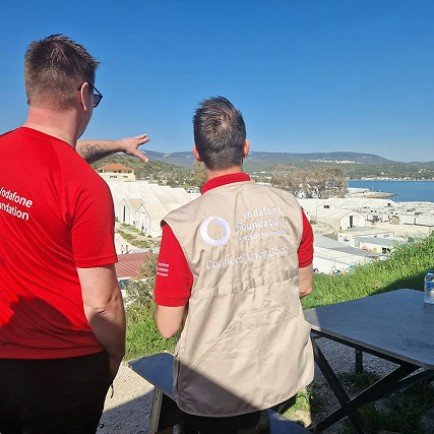
As part of Vodafone Foundation’s Instant Network Emergency Response (INER), we reached out to local authorities to offer our support in reestablishing connectivity in affected areas. Our Instant Network teams are deployed across the world at short notice to help displaced people struggling without connectivity, most commonly those affected by natural disasters, but also refugees.
In this instance, the German local authorities did not require the INER’s support. However, Poland was also affected by the floods in September, leading to the deployment of INER teams in affected regions. The team provided connectivity to seven different places in total over the course of a week. From a school in the devastated town of Stronie Śląskie, drafted into service as both a distribution hub for emergency supplies, as well as a base and dorm for first responders, to a farm acting as a base for attempts to reach remote villages that had been cut off from the wider world by the floodwaters.
NEWS
All the latest
View all news
11 Dec 2025
Vodafone's leadership on tackling climate change again recognised with CDP 'A' score
1 minute read