International Day of Persons with Disabilities, is an opportunity to promote an understanding of disability issues and to support the rights and wellbeing of persons with disabilities.
This year, we spoke to colleagues about how Vodafone’s hybrid working policy and company culture is supporting them to be at their best at work.
Click below to learn more about their stories.
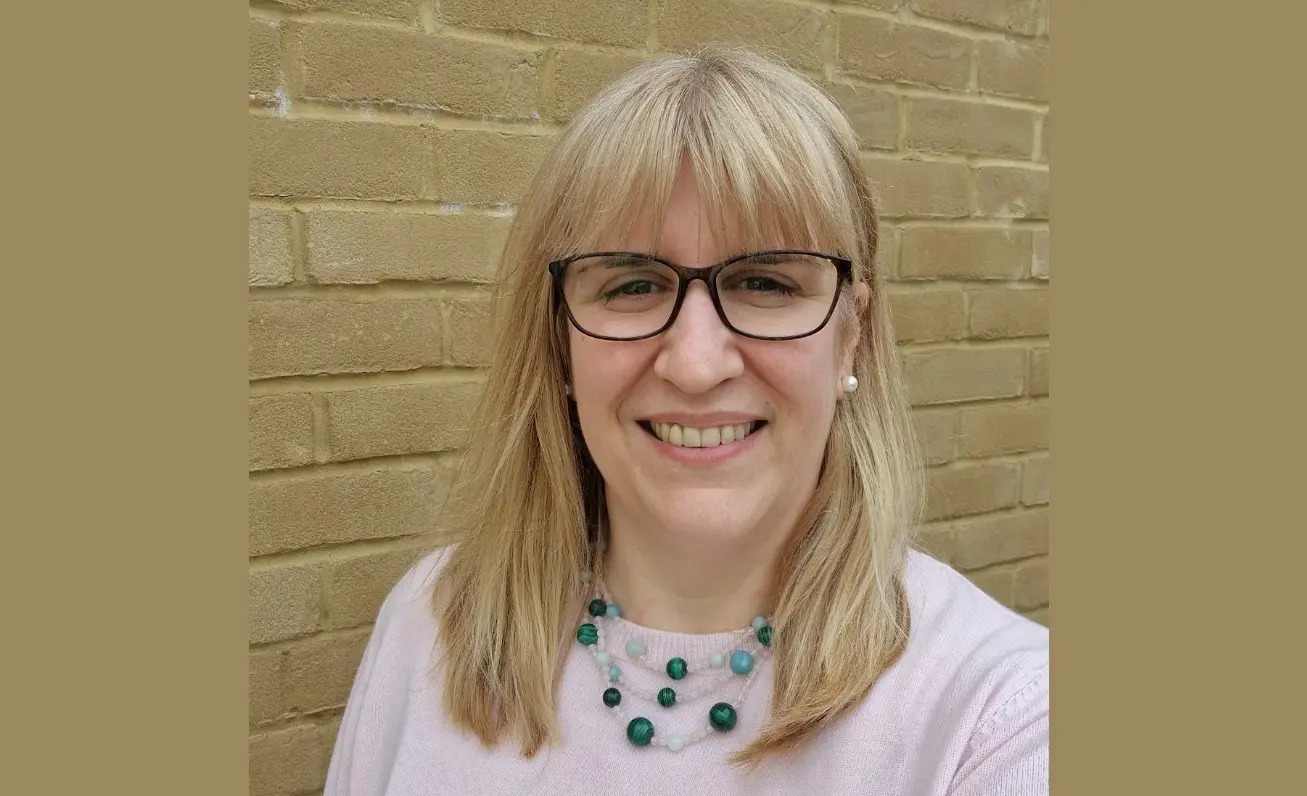
Sally Smith, Head of Global Portfolio Marketing at Vodafone Business, refers to herself as a boomerang. Having first worked at Vodafone back in 2011, she re-joined the company in 2019.
“We’re lucky at Vodafone, because it offers great flexibility,” Sally said about her return to Vodafone. “Not required to be in the office every day means that if I'm having a painful day, need to pop out for treatment or just need a day without the (prosthetic) leg, I am empowered to do so.”
When Sally turned three, a nasty accident with a lawnmower left her right foot permanently injured. Since then, she has adapted to a life of regular hospital appointments, operations and amputations, including very painful major limb reconstruction at the age of 22 where she had to stretch her limb by six centimetres.
“The most horrendous two and a half years of my life,” she recalls.
Having had a tough time at school, her earlier years have only heightened her resilience and her determination to never apologise for her disability. Although she admits she may have pushed it by playing county hockey and being captain of the tennis club.
“I think I'm probably going to need another batch of revision surgery if I'm really honest, because I'm waiting to see the consultant as my bone has started growing in a weird direction,” Sally explains and tells us that this is where Vodafone’s hybrid working policy really supports her.
At Vodafone, employees are offered a 60-40 hybrid working model which allows employees to split their time between remote and office working. Employees can also benefit from 100% remote working for 4 weeks a year within the UK or overseas.
“My disability doesn't affect my day to day, but I appreciate the additional support,” says Sally. “If I have to log off to attend an appointment, it's never been an issue and I can imagine that might be very different at some companies.”
She adds, “I'm always really open in interviews that I am disabled because I don't see it as something I should hide.”
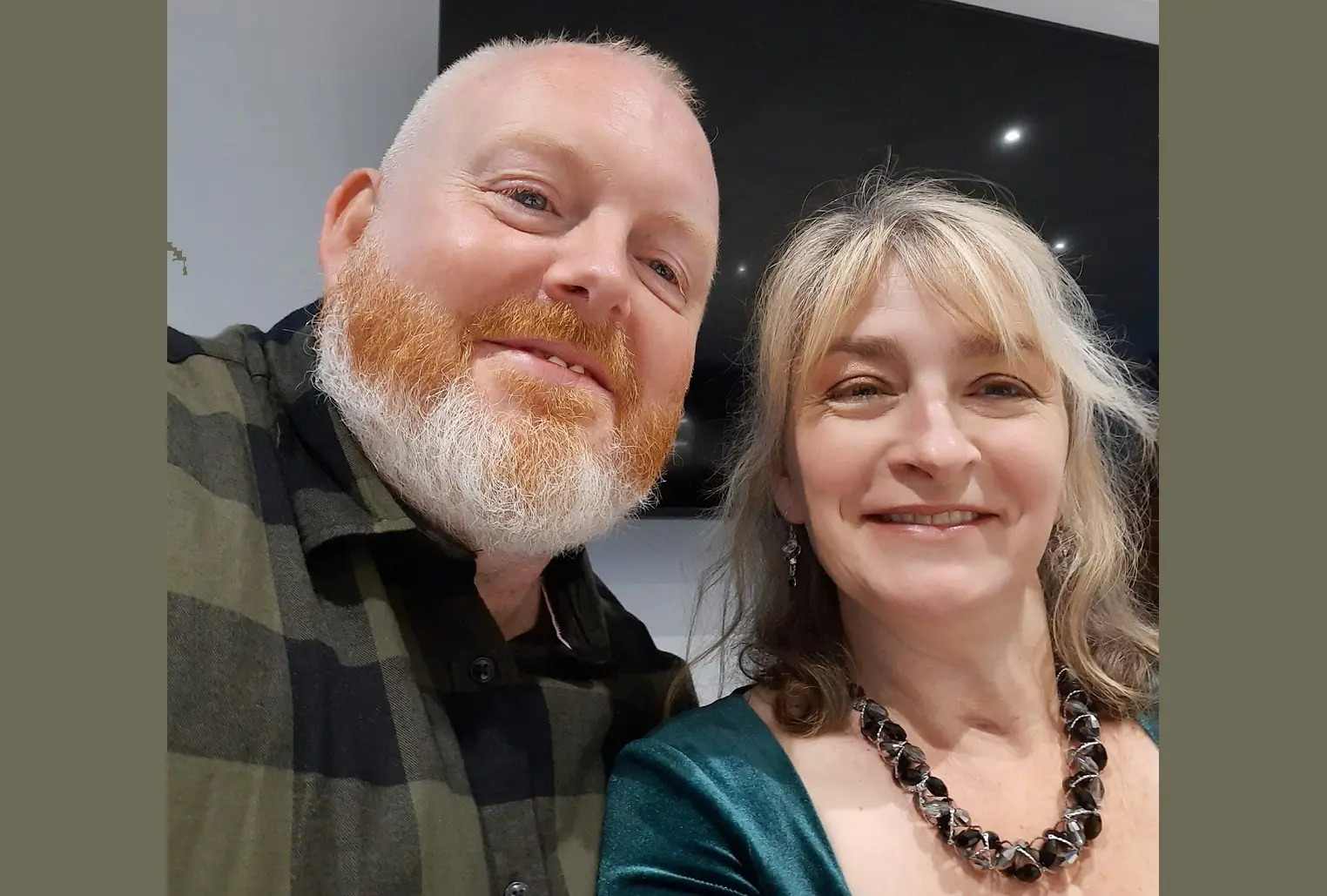
After 19 years of working at Vodafone, earlier this year Richard Purnell suddenly suffered sensorineural hearing loss overnight in both ears.
“I woke up in January and knew something wasn’t quite right, I could hardly hear anything,” says Richard.
After numerous hospital visits, tests and MRI scans, Richard was told he’d lost high frequency hearing around the conversational speech range. “I could hear low frequencies, so car exhausts, tyres on the road, bangs and things like that, but the higher frequencies get filtered out.”
Now wearing hearing aids, he has access to sound but will still miss parts of the conversation. “Quite often you hear something, but you don't hear everything,” he explains.
An extrovert by nature, Richard says he has become more introverted as a result. “I've got to find a quiet corner now,” Richard says about coming into the office. “I have to think about things like acoustics. Is the floor carpeted or tiled? Is the wall plasterboard or glass and how does sound bounce around and reverberate?”
Coming back to work, he praises the support he was given and explains how he has found new ways of working.
Using a special microphone both at home and in the office, Richard can stream sound straight to his hearing aids, reducing background noise and helping him focus on what he’s trying to listen to.
In addition, he uses captions when on video calls but the constant reading means his biggest challenge now is listening fatigue.
“During the day I'll have four 10–15-minute breaks, to recharge both myself and the hearing aids,” explains Richard.
And it’s not just him who has changed how he works. His team now mute their calls and use captions to communicate too.
“Having meetings like this with the team, they're always more structured because they don't talk over each other anymore. They talk one at a time because they have had captions on the screen and appreciate how hard it is to keep up.”
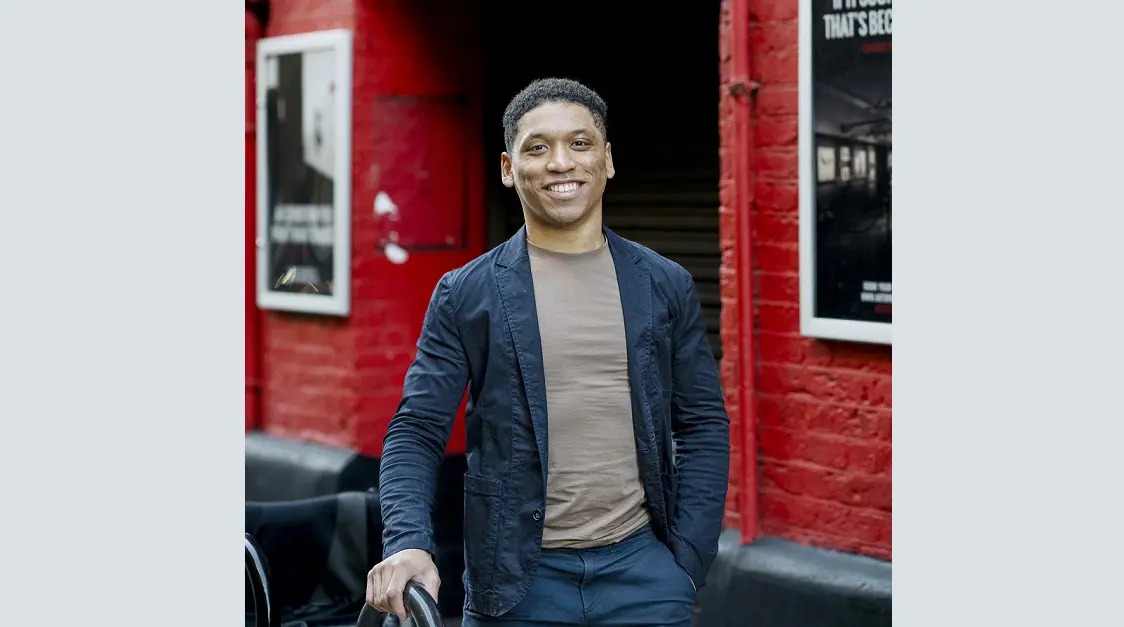
For Franklin Ngemoh, Software Engineer at Vodafone, being born with cerebral palsy means he, “has tight muscles and problems with his balance.”
“I can walk but it just takes a lot more effort,” Franklin explains. “Around the house I walk and use furniture to prop myself up, but when I leave the house, I tend to use a wheelchair.”
Keen to be in the office to build relationships with his colleagues, he says that he feels comfortable at work and that he hasn’t had to ask for much additional support as the facilities generally suit his requirements.
He tends to struggle more with public transport saying, “if the train is packed, I have to find my way to the door early when getting off to make sure I can reach the handrail to get out of my chair. I also need to let fellow commuters know I’m getting off in advance so there’s pressure to be quick. Especially as you’re not sure how long the tube will be at the station.”
He adds, “travelling just generally takes more consideration and planning for me.”
Having been on Vodafone’s graduate programme since leaving university, Franklin says that he didn’t know what to expect from a work environment but that his Vodafone colleagues have generally gone out of their way to help him.
“When I was based in Newbury, someone reached out to me about what to do in the case of a fire, or emergency, and when I visited the UK office, someone showed me where some of the hidden lifts were, which helps make some areas more accessible.”
He notes how this, “shows the culture at Vodafone and the kind of people that join the company. Most people here wouldn’t let things go unnoticed if they thought they could help.”
Franklin goes on explain that any anxiety he feels day to day is mostly self-inflicted. “The mental impact of my disability is more of a challenge than the physical disability itself.”
He continues, “for me personally, when starting at Vodafone I had anxiety relating to the expectation I had on myself. I feel like I have something to prove to people. That’s a mental challenge that creates anxiety and doubt in yourself.”
When asked why he feels this way, he explains that he suspects deep down that people with disabilities aren’t seen that positively and clarifies that, “the mental pressure I feel is generated from what I think other people will think about me. I expect people to have low expectations. You always try your best for you, but I also want to put disability in a more positive light generally and change any negative views people may have.”
#CountMeIn
What all three colleagues agreed on, is the need for more awareness around how we can better support one another in the workplace.
Positive about the steps Vodafone has already taken, it’s important that we continue building an inclusive place of work.
As part of our #CountMeIn campaign, we now support the globally recognised Hidden Disabilities Sunflower. A symbol designed to act as a discreet sign that somebody has a hidden disability and requires additional assistance while out in public.
This will help our colleagues to recognise, listen and help each other at work, but we’re also training our retail teams to identify the symbol too, so they can learn how to approach and support customers with additional needs.
We’re proud to be the first technology communications company to sign up to the scheme and hope that it will give our customers and everyone working at Vodafone the best experience, leaving no one behind.
Learn more about what Vodafone is doing to create an equal workplace
More stories