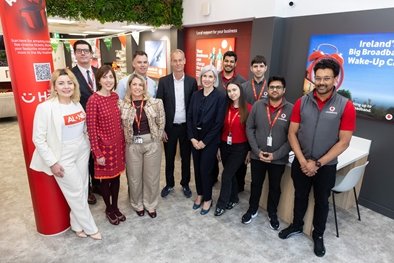
We are living in a digital age, yetover 1.7 million UK households are digitally disconnected, with a million more at risk due to the cost-of-living crisis.
While our research shows this mostly impacts those suffering from financial hardship, the issue is much wider. Refugees, asylum seekers, homeless people and young people are among those impacted by the digital divide.
Working with world-renowned photographer Rankin, the ‘Faces of Disconnection’ photo series shares seven real-life examples to help raise awareness of this ‘invisible’ social issue. In addition, it marks Vodafone UK reaching its goal to provide connectivity to one million digitally excluded people by the end of 2022.
Displaced, trapped, isolated
Being connected means we can stay in touch with loved ones, friends and colleagues, but it also gives us access to essential services such as healthcare and education. Without it, people can get left behind, no longer exposed to the same opportunities and knowledge. This has a mental implication, leading to feelings of isolation, loneliness and frustration.
Using the art of photography, we wanted to show the people affected by digital exclusion and help change perceptions.
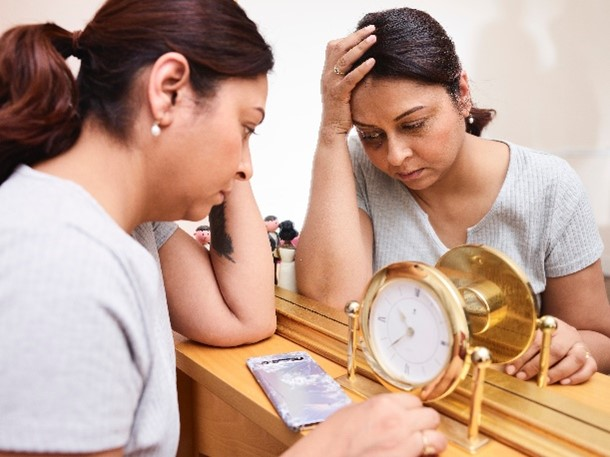
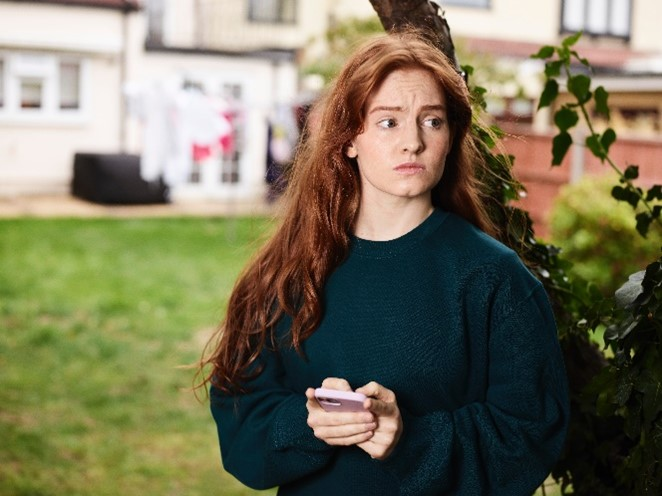
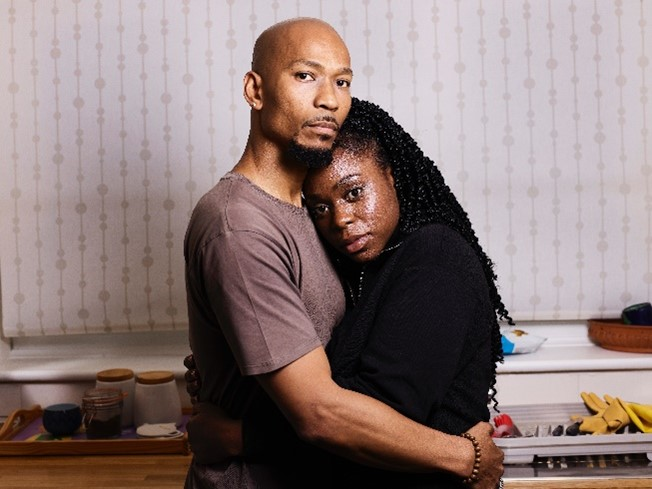
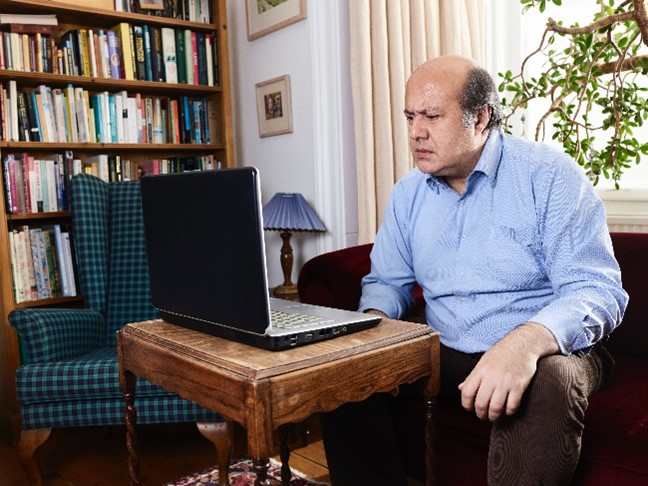
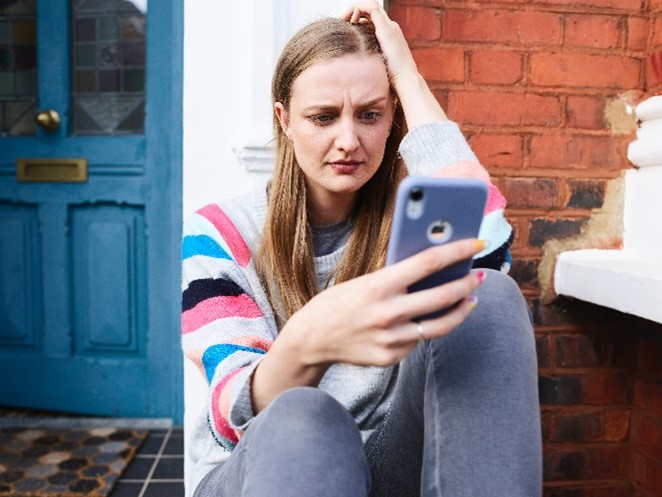
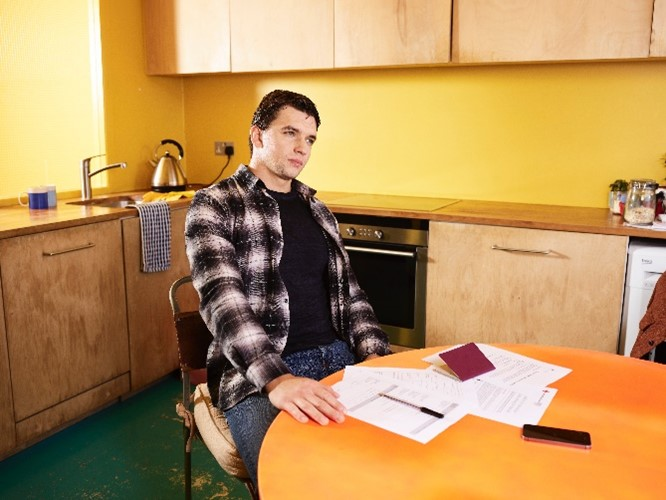
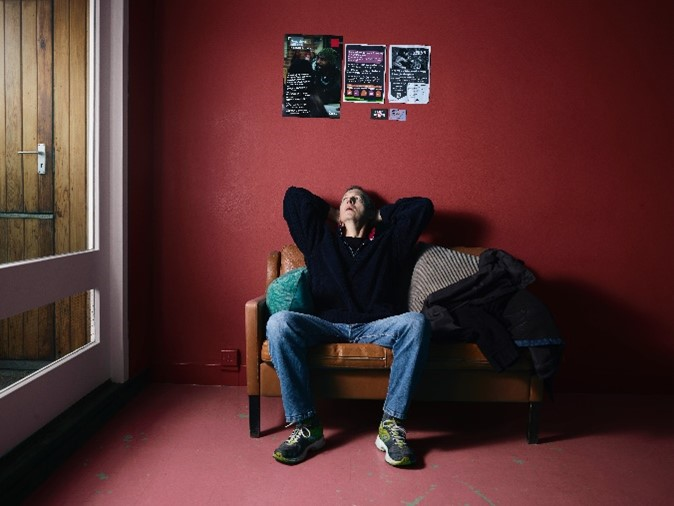
Explore their stories further or visit the full gallery online.
Getting everyone connected
As a technology communications company, we believe in the power of connectivity and digital services to improve lives and are working hard to connect more people and communities.
‘Faces of Disconnection’ marks Vodafone UK reaching the one million milestone in its everyone.connected campaign and, to celebrate, it is now extending its commitment to help a total of four million people cross the digital divide by 2025.
Working on a range of partnerships and initiatives, Vodafone’s everyone.connected campaign gives people the connectivity, technology and skills they need to stay connected and participate fully in an increasingly digital society.
More stories