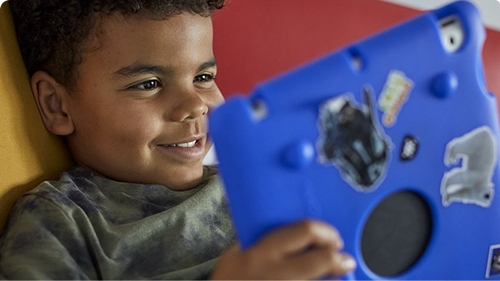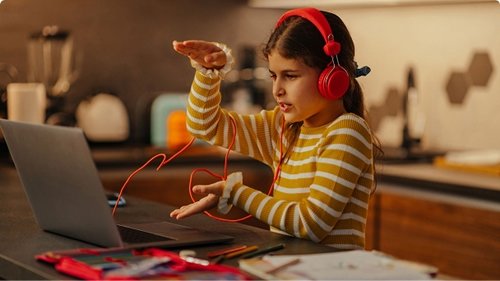
Technology is a part of our everyday life
We also recognise children are a particularly vulnerable group in today’s digital world and need special focus when considering the impact of technology and their human rights. We're committed to upholding child rights in all our business operations and supporting children and their parents to become responsible digital citizens.
We do this by providing up-to-date tools, guidance and conversations about safe and responsible conduct in cyberspace. Our Human Rights (including Child Rights) Policy sets out how we respect human rights throughout our operations.
Our commitments to broader child rights are also embedded in our group policies and processes: on the UN Convention on the Rights of the Child and Respecting the digital rights of the child.
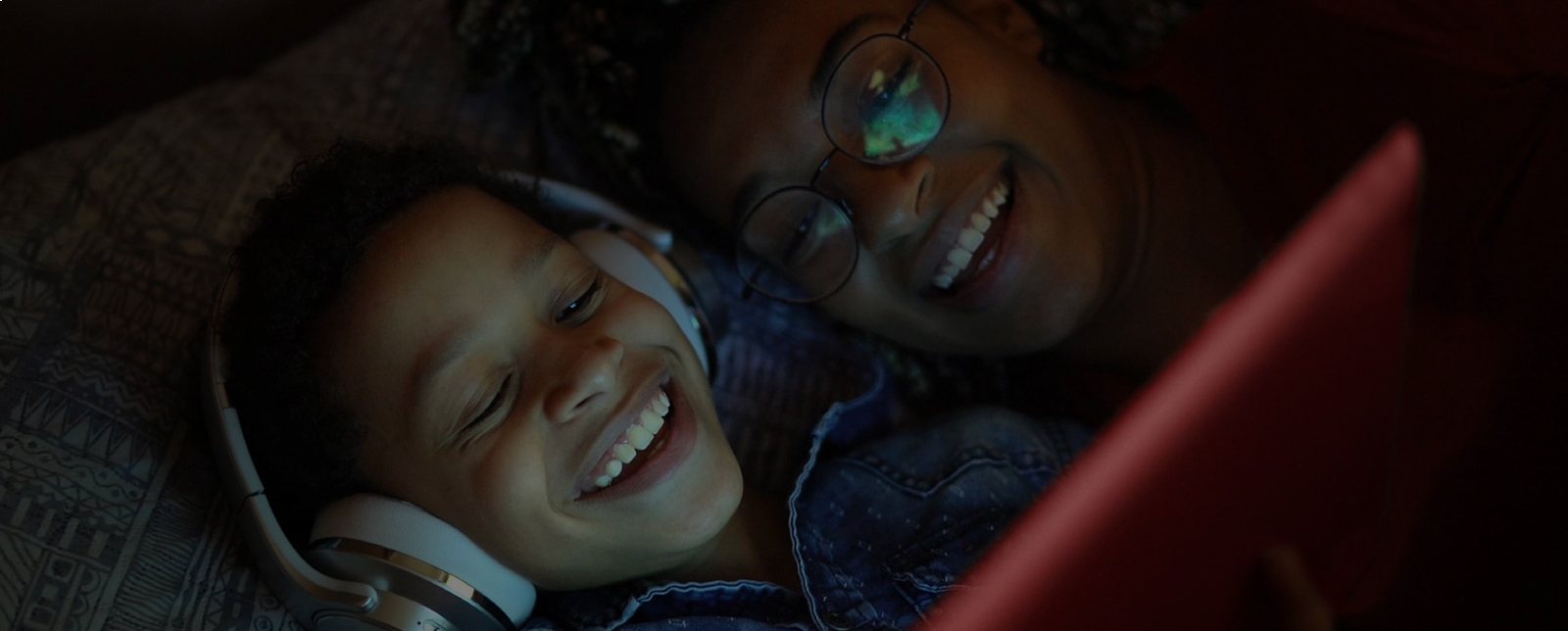
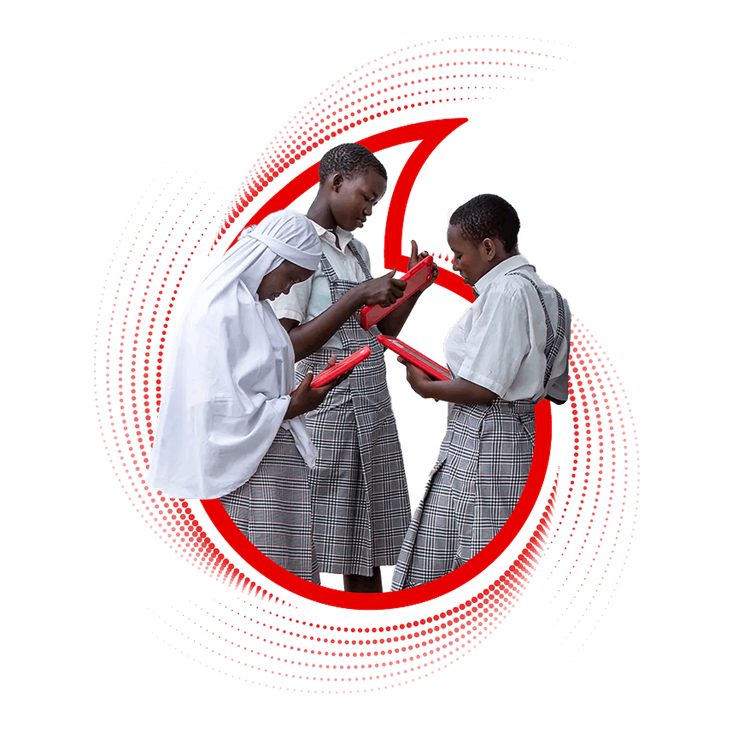
Managing child rights
Our Human Rights Policy (including Child Rights) sets out how we seek to support our customers in navigating the evolving digital landscape through tools and education. Each of our operating companies is subject to our Human Rights (including Child Rights) Policy, and has appointed a member of the local leadership team as the owner of that policy..
Our commitments to broader child rights are also embedded in group policies and processes and are underpinned by our ongoing work to embed a child rights by design approach, a principle developed by the Digital Futures Commission. We also developing operational global minimum standards to manage and mitigate how we impact children across our operations.

Labour Rights
Our Group Code of Conduct prohibits all forms of workplace abuse and harassment and explicitly states we will not tolerate child labour. This is complemented by several family-friendly policies, such as our Global Parental Leave Policy. Our Code of Ethical Purchasing also strictly prohibits child labour in our responsible supply chain.

Educate and empower
We aim to educate and empower our customers by providing parents with digital guidance on child online safety. We are also committed to engaging with young people directly, to provide young people with online safety guidance.

Control access to harm
We provide parental controls through Secure Net, helping manage screen time and block inappropriate content. As GSMA founding members, we're committed to removing child exploitation material and disrupting access.

Only design products and services for children if it is in their best interests
We assess child safety risks early in product development through privacy impact assessments requiring parental consent and child-appropriate design. We avoid marketing to children and engage young people for feedback.

Responsible marketing
We don't target children in communications and set responsible media standards for partners. Our policies guide influencer engagement and sponsorship while managing child rights within our human rights programme.
How Vodafone impacts children’s rights
As a global communications technology company, we recognise our operations could impact children. We conduct regular assessments to identify the most material risks to our business. Digital rights, including protecting child rights, is one of the most significant rights identified.
To understand more about how our operations impact children, we engaged an expert consultancy to support us in carrying out an assessment using UNICEF’s Child Rights Impact Self-Assessment Tool for Mobile Operators (MO-CRIA).
It reported on the following:
- How our operations impact the rights of the child, both opportunities and risk
- Where we can improve.
- How we perform against UNICEF’s baseline requirements and suggested further actions.
We continue to be guided by that external report. Our Human Rights Policy has been updated to Human Rights (including Child Rights), and amongst other matters considers the best interests of the child in the digital world, and child labour. In 2024, we reviewed our policy controls and will ensure that they consider the vulnerabilities of children as rights holders.

We continue to be guided by that external report. Our Human Rights Policy has been updated to Human Rights (including Child Rights), and amongst other matters considers the best interests of the child in the digital world, and child labour. In 2024, we reviewed our policy controls and will ensure that they consider the vulnerabilities of children as rights holders.
The rights of children are also addressed in other policies, such as our Code of Ethical Purchasing. This strictly prohibits child labour and requires that if child labour is identified, the best interests of the child shall be the primary consideration in remediation, including through the supplier both ensuring that child attends mandatory schooling and collaborating with governmental and non-governmental organisations to ensure the child's basic needs are met after the termination of employment.
This exercise is complemented by detailed impact assessments conducted in specific circumstances, such as the development of a new product or service.

Our policy
Our Child Protection Policy (now integrated in our Human Rights Policy) sets out how we seek to support our customers in navigating the evolving digital landscape through tools and education.
Our commitments to broader child rights are also embedded in group policies and processes, including Trust by Design, which ensures that human (including child rights) considerations are addressed in the development of products and services.
Resources for child online safety
We recognise the increasing challenges for families and young people in a 24/7 connected world, including screen time, online safety, and the impact on physical or mental wellbeing. Vodafone is committed to creating solutions that help families navigate the digital world safely and appropriately.
How to find balance and positive online habits
We want everyone to get the most out of tech and enjoy happy and safe digital lives. These tips for online balance address these challenges while promoting positive digital habits.

Parental control tools
Our Secure Net service gives parents an added layer of control over screen time and can help block age-inappropriate website and apps.

Reducing screen time
Our new initiative is co-created by listening to teenagers and young people about ways we can offer them real-world activities and experiences.

Basic phones
Some parents and children wish to stay connected with one another without introducing full internet access on smartphones. That’s why we offer a range of ‘basic’ phones such as the Nokia 3310, which have limited 2G functionality and are not compatible with social media or other apps.

Resources and guidance
From our Digital Parenting Guide to partnerships with organisations like the NSPCC, we provide tools and advice to help families navigate the digital world safely.

Building digital inclusion
Through Vodafone Foundation, we’ve invested over £20 million across nine European countries to equip young people with essential digital skills.

Supporting educators
Vodafone’s training and tools for teachers are designed to boost digital skills across the education curriculum in areas like smart devices, AI, robotics, and augmented reality.

Supporting families in a digital world
We strive to help our customers feel safe and empowered whenever they connect. We believe being online is enriching, and that everyone deserves to enjoy it in a healthy, balanced and inclusive way.
We've always taken responsibility for helping parents and children through every stage of their digital journeys. We believe families are best placed to decide when to introduce phones and smartphones to their children. Our role is to provide a digital safety net, equipping parents with the tools to safely introduce their children to the online world. By guiding younger users through the internet basics, we help shield them from potential harm while they gain confidence in navigating the digital landscape.
As children grow into teenagers and young adults, their use of mobile devices evolves. We recognise the increasing challenges for families and young people in a connected world, including concerns around screen time, and the potential impact on physical or mental wellbeing from harmful content, bullying, grooming, scams, or a lack of meaningful real-world connections.
Some schools have agreed with parents that children should not have access to phones or social media at school unless for educational purposes. We support those decisions.
Our digital resource hub
Young people need to develop digital skills so they can overcome these challenges and maximise the benefits of the online world.
Our online resource hub supports parents, carers, teachers, young people and students, and covers everything from ‘how-to’ guides to expert advice and interactive learning tools to stay safe and happy in the digital world.
Resources for parents

What can potentially harm children online
The new Children Online: Research and Evidence (CO: RE) 4Cs classification recognises that online risks arise when a child:
- engages with and/or is exposed to potentially harmful CONTENT
- witnesses, participates in and/or is a victim of potentially harmful CONDUCT
- experiences and/or is targeted by potentially harmful CONTACT
- is party to and/or exploited by a potentially harmful CONTRACT
What’s suitable for children to view online?
The internet’s a fantastic place for kids to find information, connect and have fun. But some websites, apps, games and videos aren’t suitable for young people.
Learn to be more aware of online content with our resource hub

Online behaviour
Self-expression, creativity, collaboration — technology has lots of benefits.
But with some kids and teens pushing boundaries and behaving differently online, it’s crucial you talk to your child about how they conduct themselves in the digital world.
Connecting with people online
Messaging apps and social media are a great way for young people to connect with family and friends.
But would your child know what to do if they were bullied or contacted by a stranger?
Find out about four types of negative contact young people might experience online.
Resources for Children
Young people from across Europe have created a new guide to help their peers navigate the online world safely, securely, and responsibly.
From managing screen time and curating their digital footprint to respecting online boundaries, ‘Our Digital Pact’ has been led by a panel of more than 70 young people from six of Vodafone’s European markets.
Young people can find the Digital Pact here to help navigate the online world.

Tools and controls for online safety

Home internet
Many Internet Service Providers (ISPs) offer free parental controls where you can decide what kind of web content your family can access.
Operating systems
Whether you’re a Windows or Mac user, you can make the most of built-in parental controls to do things like restrict your child’s web access, set time limits and block specific programs to help protect your children.

Web browsers
Parental controls are available in some web browsers, such as Firefox, Chrome and Internet Explorer. If you use more than one browser, you’ll need to change the settings for each one

Search engines
Kids love searching for information online – whether it’s for homework or just for fun – so make the most of safety controls on the main search engines. If you activate the safe search, you can have greater peace of mind when your child is searching the web.

Social networks and apps
The main social networks offer lots of tools and resources to help younger users have a safer and more private online experience. Don’t forget, the minimum age on many of them is 13.

Video websites
Got a young YouTube fan in your family? You’ll want to make sure they can only access appropriate videos by setting up YouTube Restricted Mode on your child’s computer and find out where to get more information on the Google (YouTube) website.

Film, tv and radio
Many providers offer parental controls to block inappropriate programmes and films.

Live streaming services
Live streaming platforms let users chat with each other or broadcast videos of themselves in real-time. As this can create privacy and safety issues for users of all ages, it’s important to check the settings and controls on each individual app.
Devices
You can use parental controls to manage a range of functions on smartphones, tablets and games consoles, including access to websites, apps and things like location services on their favourite digital devices.

Third-party controls
Third-party solutions such as McAfee and Norton Family provide dedicated parental control solutions to help you block inappropriate content.
CHILD SAFETY
Child safety and security solutions
We want everyone to get the most out of tech and enjoy happy and safe digital lives. Our child safety and security resources and support are here to help you make the right digital choices for your family.